
Last updated September 22, 2026
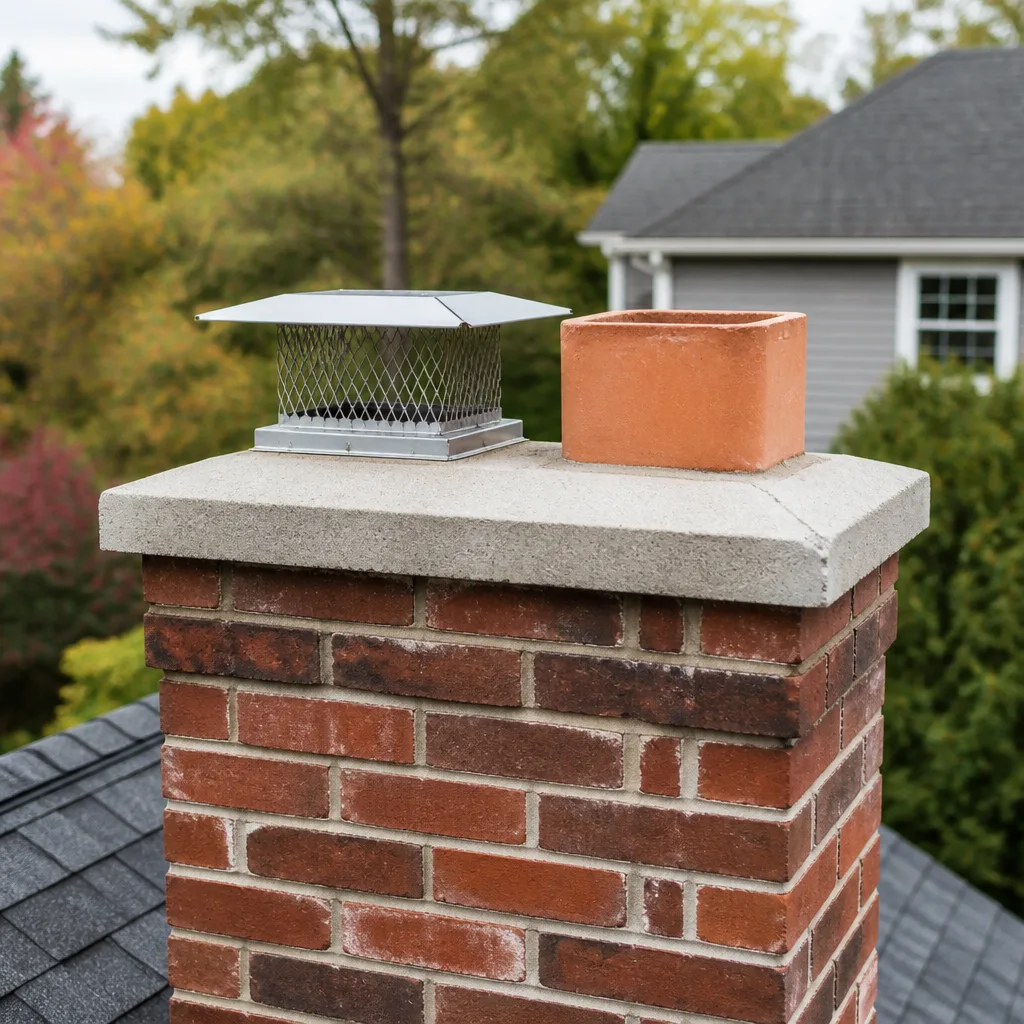
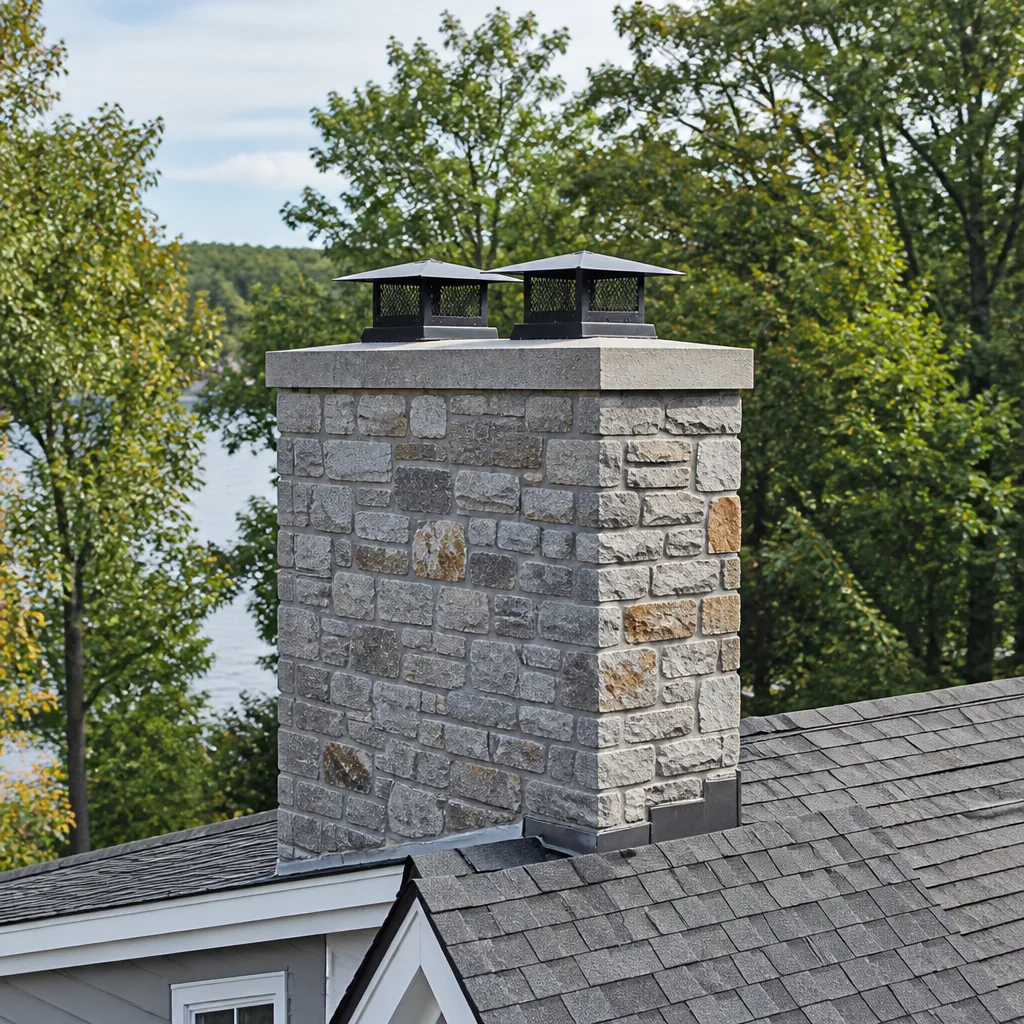
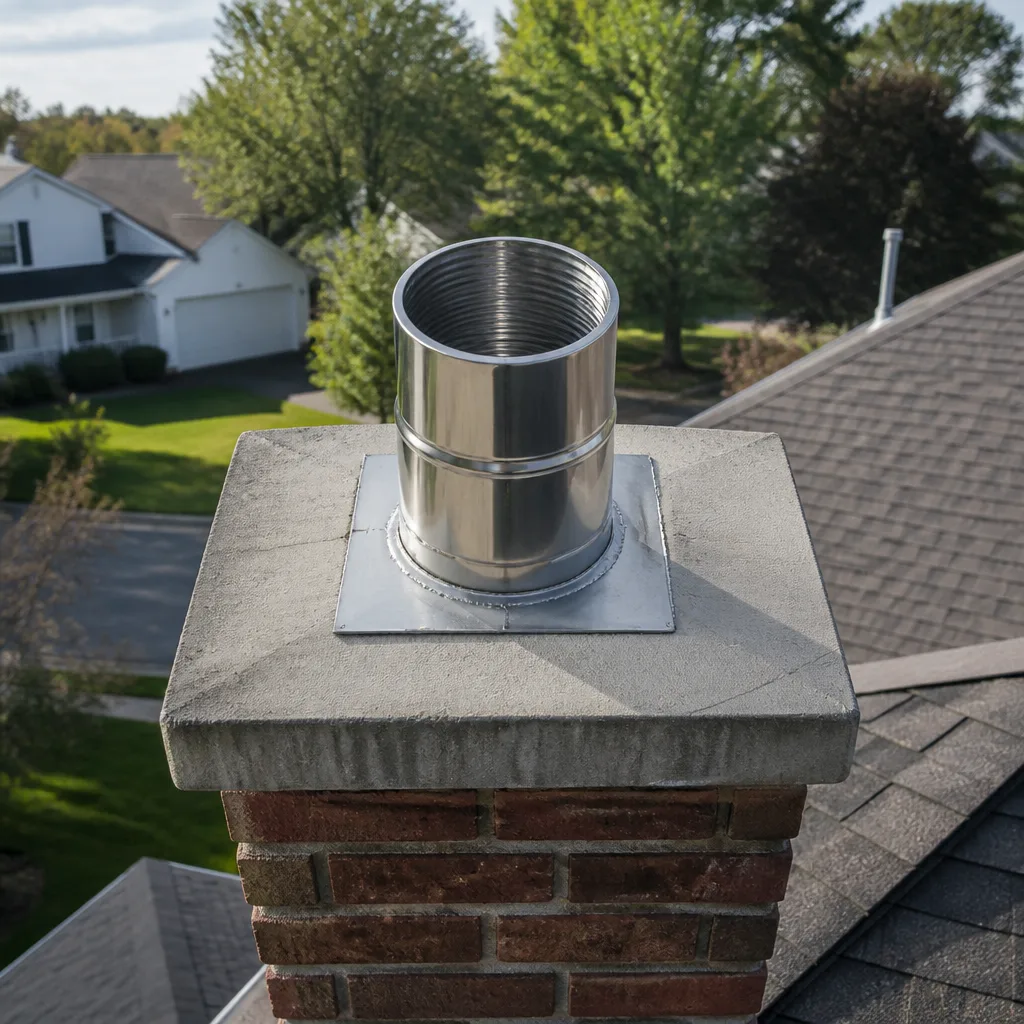
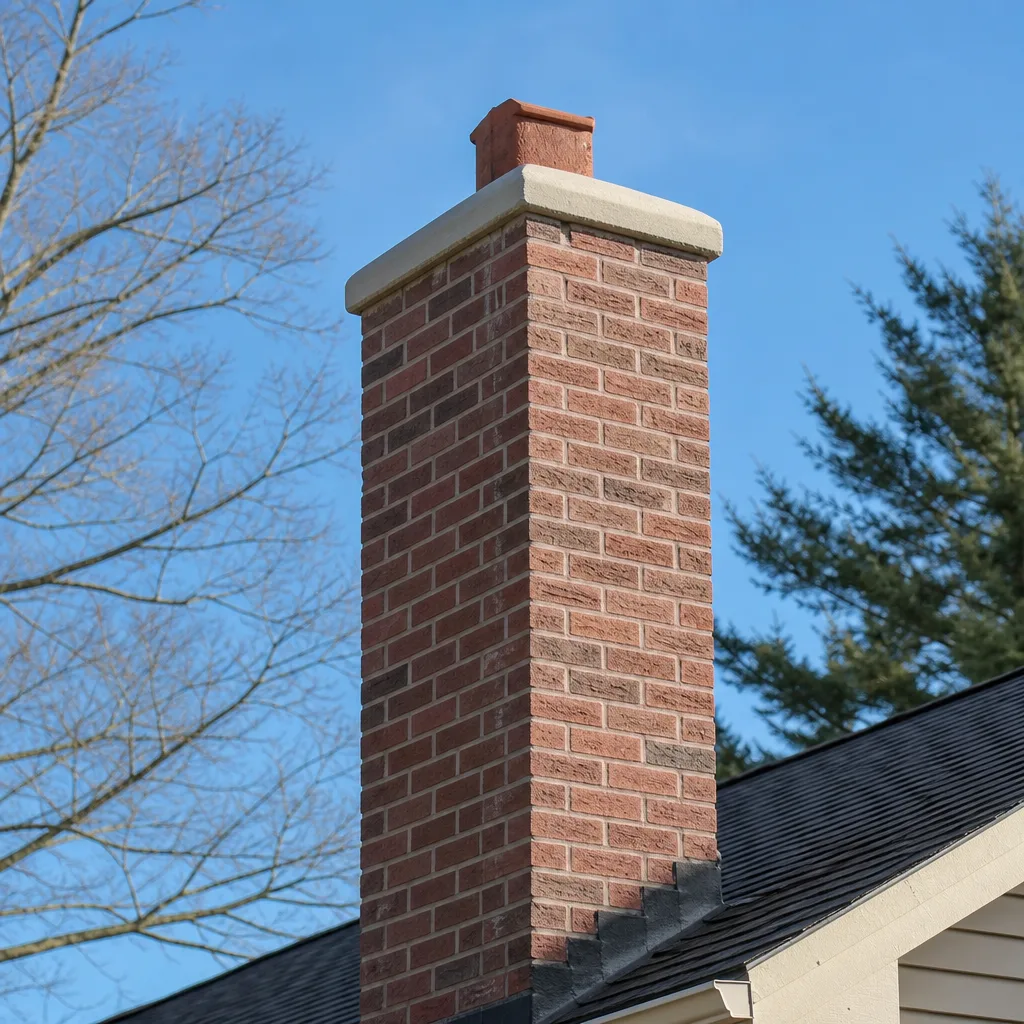
Level 1 sweep and inspection to the NFPA 211 annual standard - flue, crown, cap, and flashing checked and photographed
Chimney sweep logs do not sweep chimneys. They loosen some creosote - which then falls where a brush and vacuum still have to collect it.
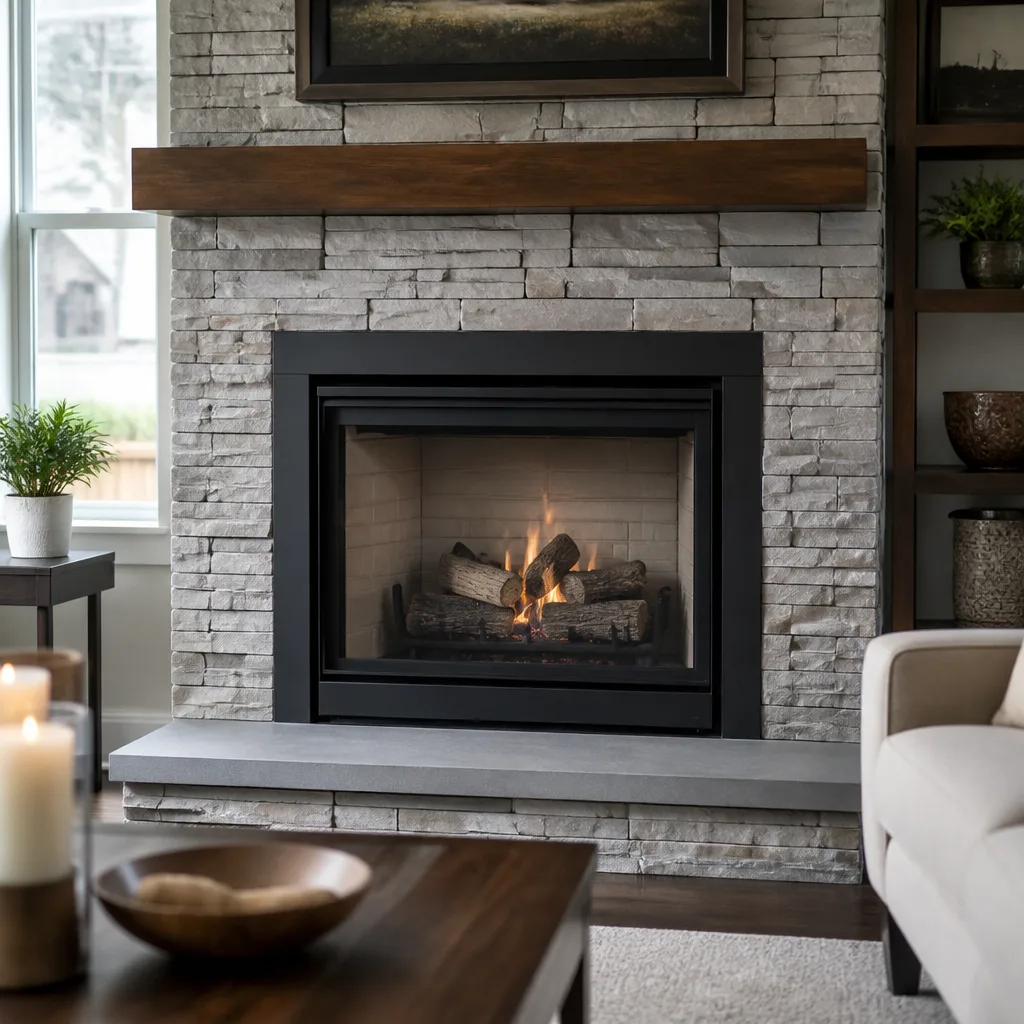
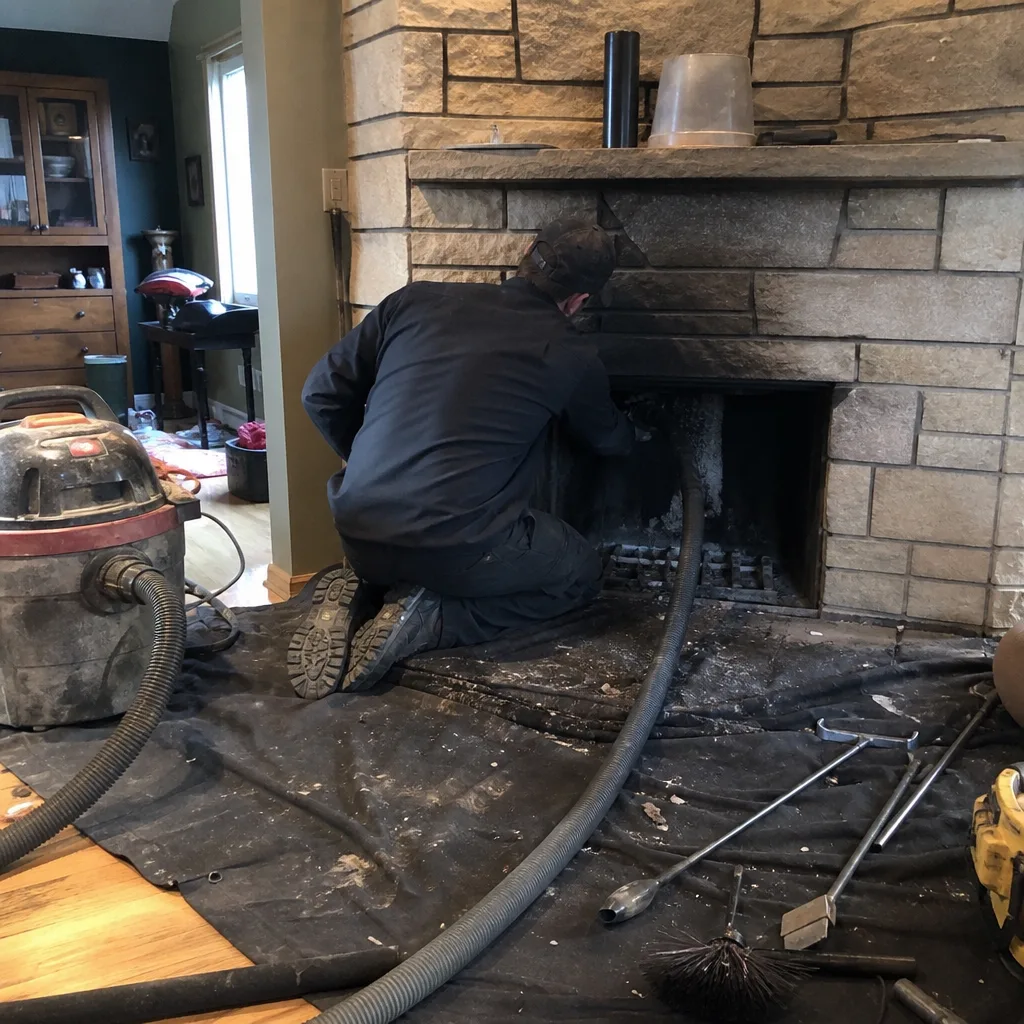 Before
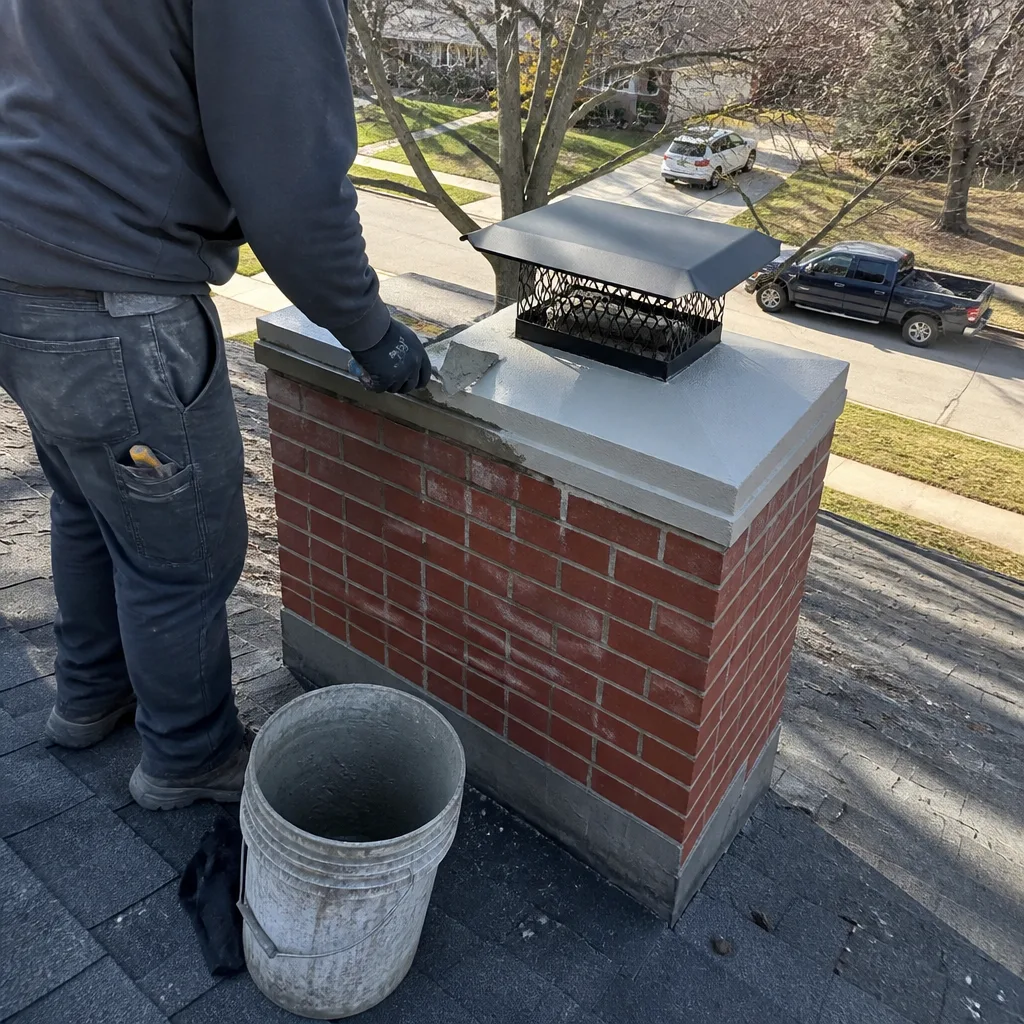 After
After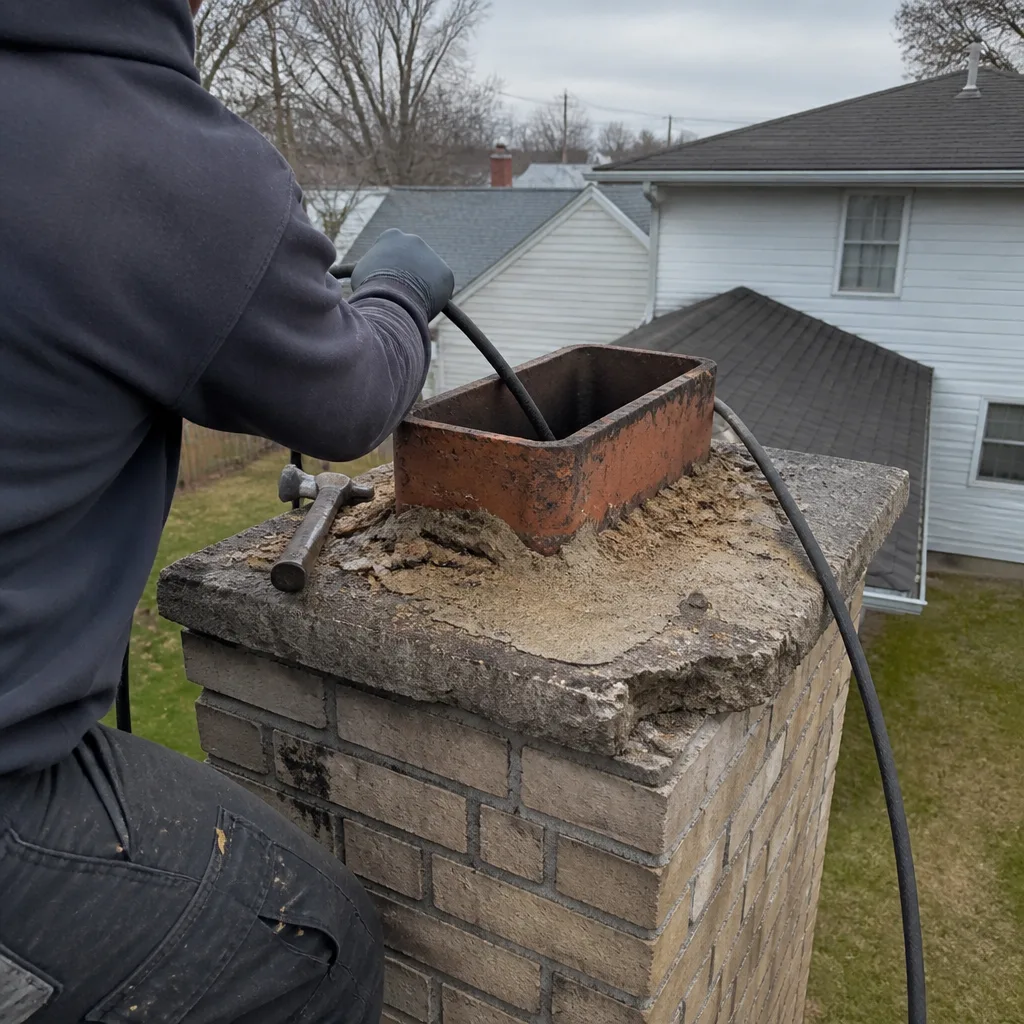 Before
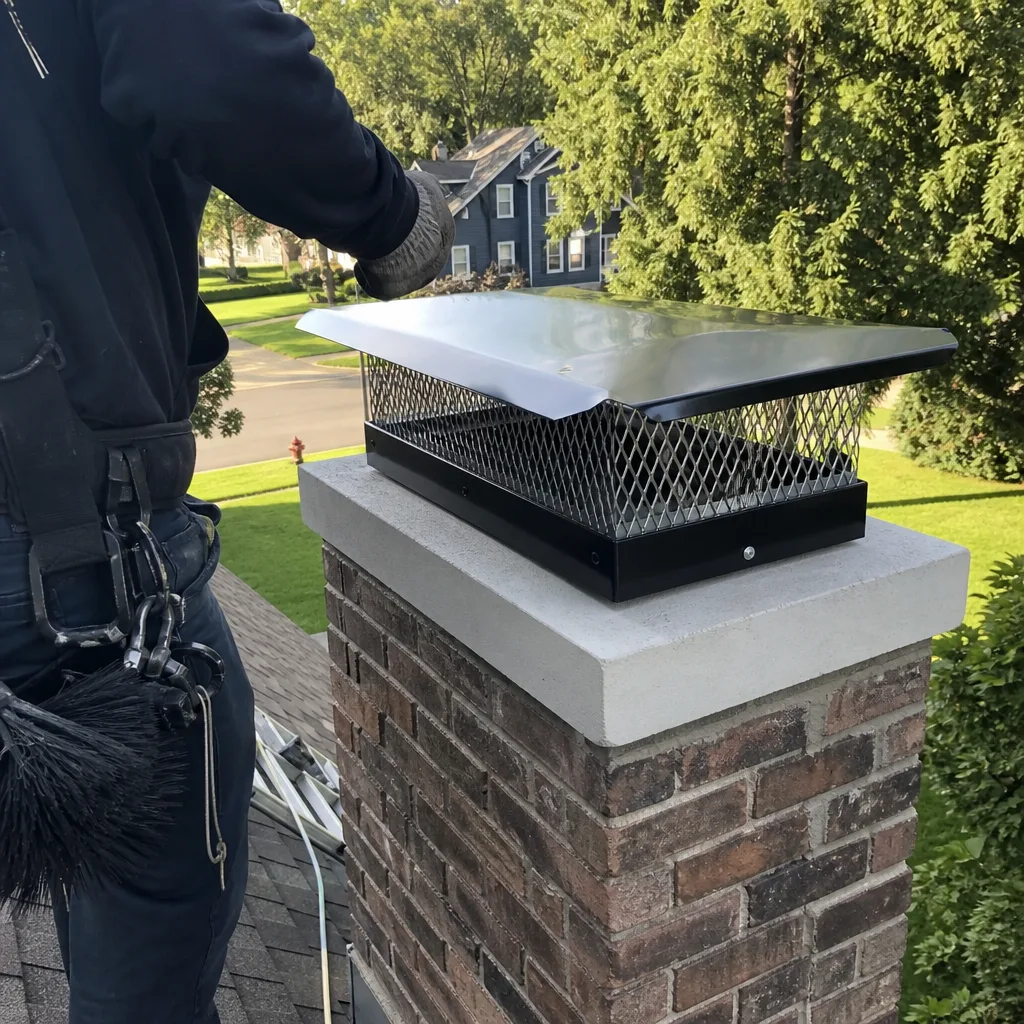 After
After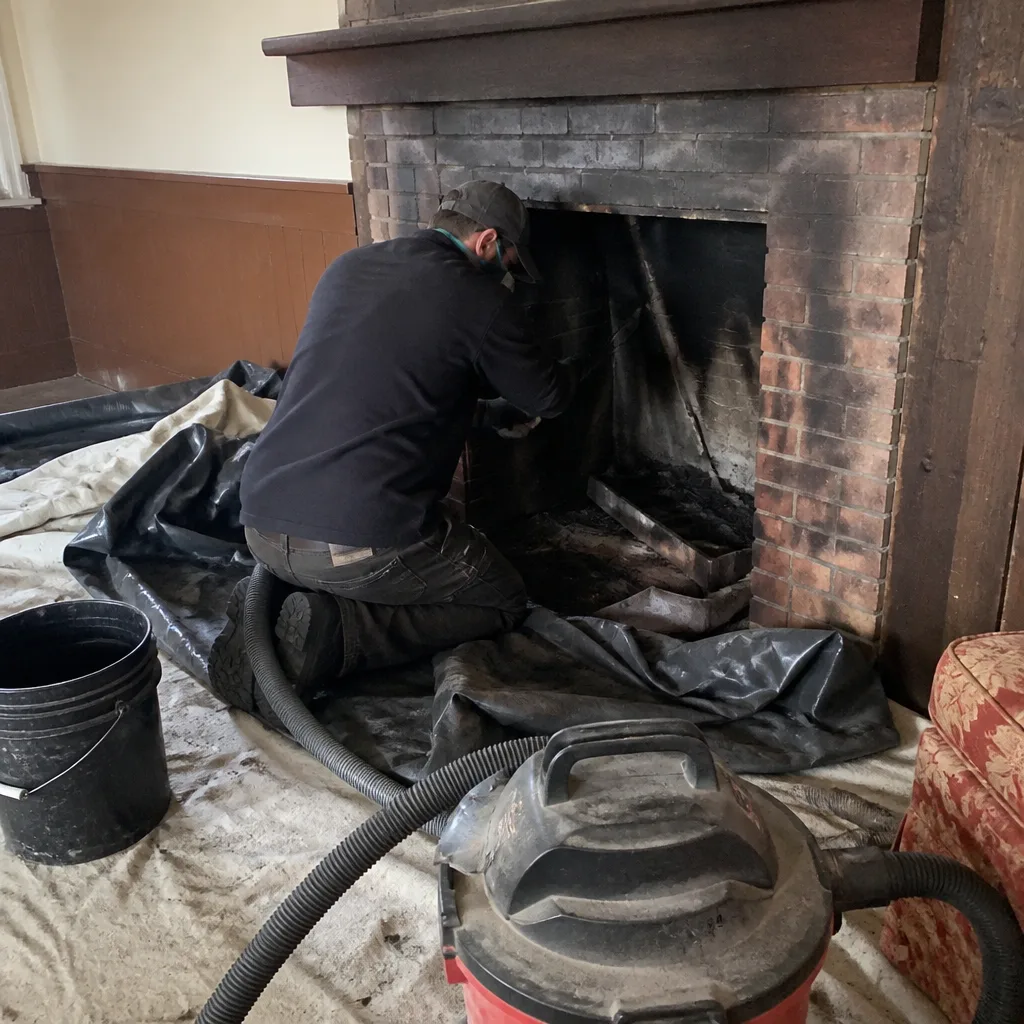 Before
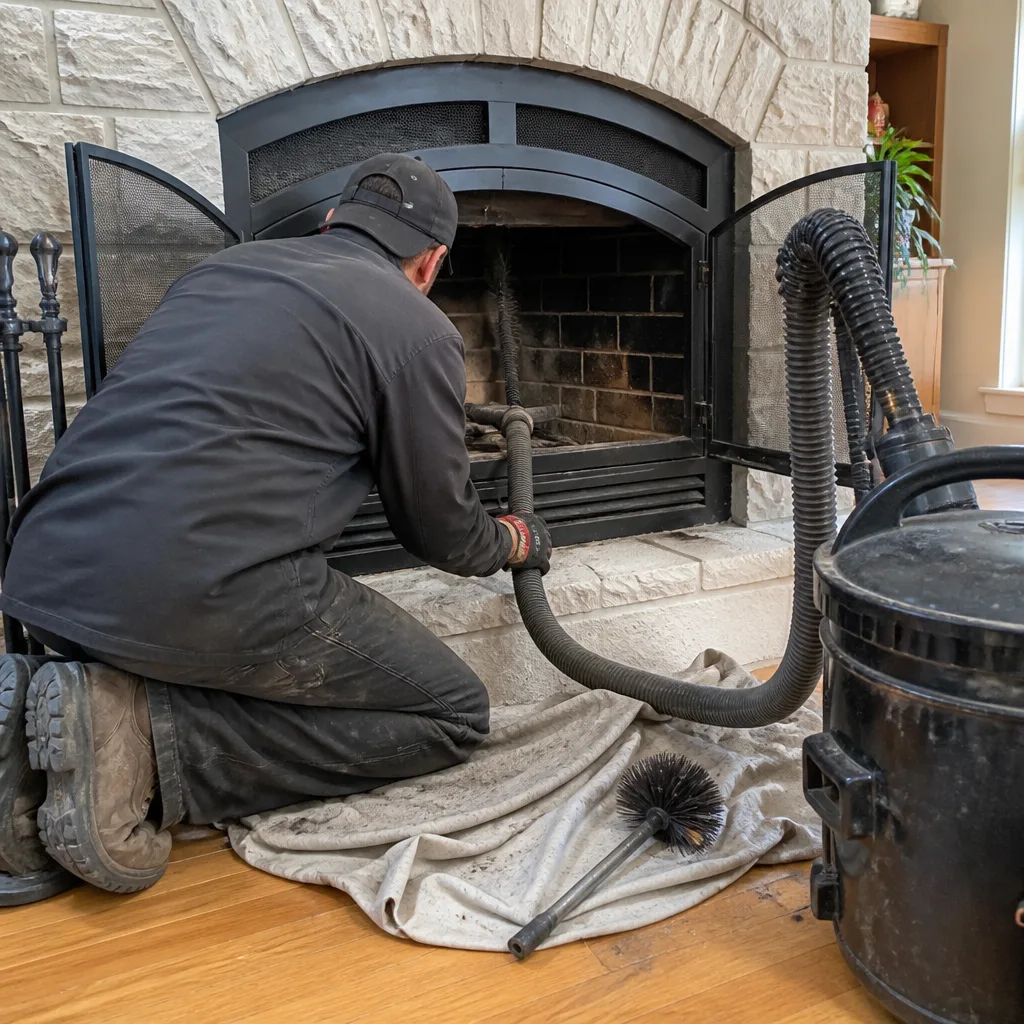 After
AfterDIY vs Professional Chimney Cleaning: The Joliet Homeowner’s Decision Guide
A homeowner who brushes their own chimney and does it correctly ends up with a cleaner flue. What they don’t end up with is documentation that the flue is structurally safe to use, and in Joliet’s climate that gap matters more than most people realize. Between freeze-thaw cycles that stress clay flue liners from October through April and insurance adjusters who increasingly ask for written inspection records after chimney fires, the DIY question isn’t about whether you can run a brush. It’s about what you can prove afterward. This guide breaks down exactly what DIY chimney cleaning accomplishes, what it cannot, and when the documentation gap creates real financial exposure for Joliet homeowners. For how to hire a chimney cleaning contractor in Joliet, see our step-by-step guide.
Quick Answer
DIY chimney cleaning removes light, powdery creosote from accessible flue sections but cannot detect cracked liners, third-degree glazed creosote, or smoke chamber damage. For Joliet homeowners, professional cleaning includes NFPA 211 Level 2 camera inspection and a documented photo record that satisfies insurers and home inspectors, which DIY work cannot produce.
Table of Contents
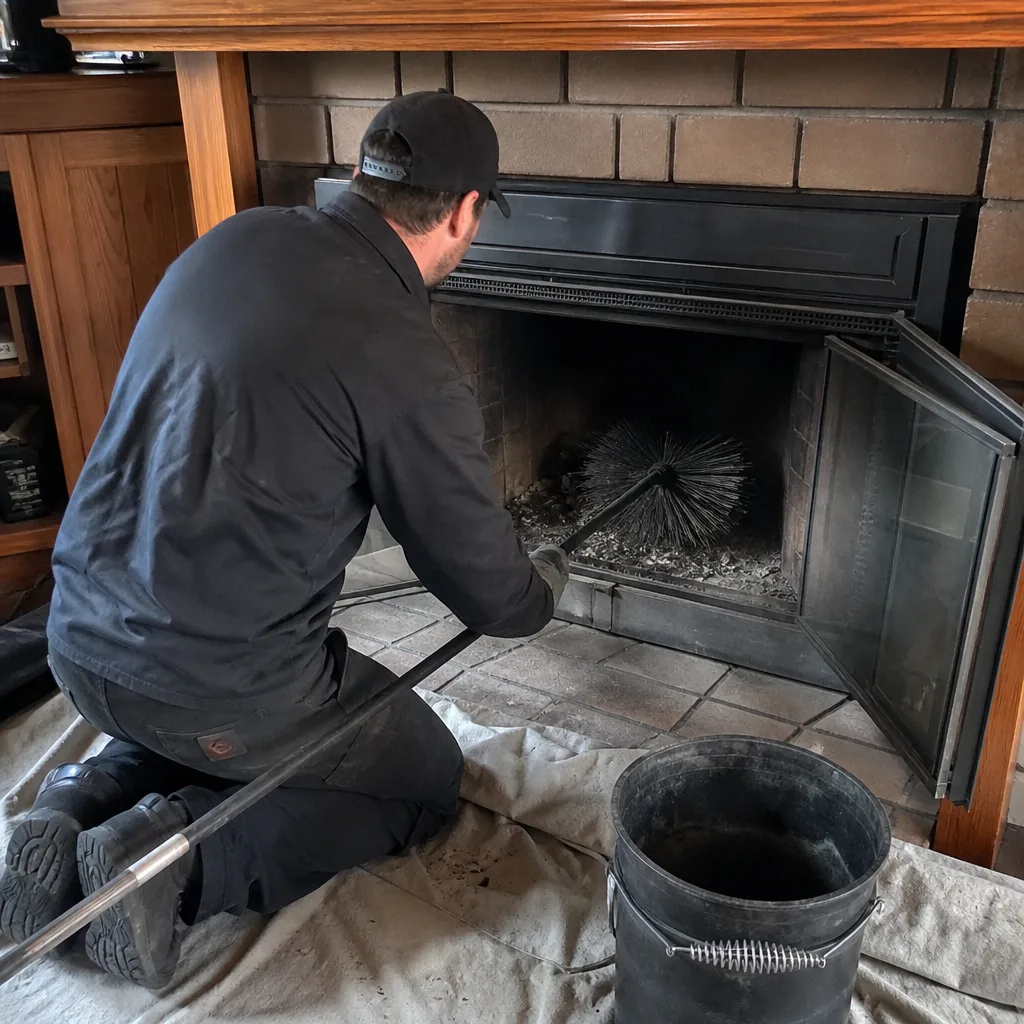
- What DIY Chimney Cleaning Actually Accomplishes
- What DIY Cleaning Cannot Do: The Hidden Gaps
- The Documentation Gap: Why It Matters for Insurance and Resale
- The Joliet Climate Factor: Freeze-Thaw and Liner Stress
- Cost Comparison: DIY, Hybrid, and Professional Models
- Tools, Safety, and When DIY Becomes Dangerous
- The Hybrid Approach: Brushing Yourself, Inspecting Professionally
- Making the Decision: A Framework for Joliet Homeowners
 Before
 After
AfterWhat DIY Chimney Cleaning Actually Accomplishes
DIY chimney cleaning with a standard poly or wire brush on extension rods removes first-degree and second-degree creosote from the straight, accessible section of the flue liner. First-degree creosote is the light, sooty dust that builds up during clean burns with dry hardwood. Second-degree creosote forms flaky, tar-like layers when combustion runs slightly cool. Both sit on the liner surface and respond to mechanical brushing.
Here’s what a competent DIY job actually covers:
- Flue brushing from the top down or bottom up - removes loose deposits from the main vertical passage, typically 6 to 12 inches in diameter for residential fireplaces.
- Soot removal from the smoke shelf - the flat area behind the damper where debris accumulates; reachable with a shop vacuum and extension hose on most Joliet ranch and split-level homes built 1960-1990.
- Basic firebox cleaning - ash and debris removal, which improves draft and reduces odor during Joliet’s humid summers when the fireplace sits unused.
The work takes two to four hours for a first-timer, less once you have the rhythm. Materials run $80-$150 for a basic brush kit, drop cloths, and a HEPA-rated shop vacuum. For homeowners burning two to three cords of seasoned oak or maple annually in a well-drafted fireplace, this level of cleaning can keep first-degree creosote in check.
We see this work regularly in Joliet neighborhoods like Cathedral Area and East Side, where older brick homes with original clay flue liners often get light residential use. In these cases, a careful homeowner who burns dry wood, maintains proper draft, and brushes annually may keep surface creosote at manageable levels. The flue is cleaner. The question is whether cleaner is sufficient.
What DIY Cleaning Cannot Do: The Hidden Gaps
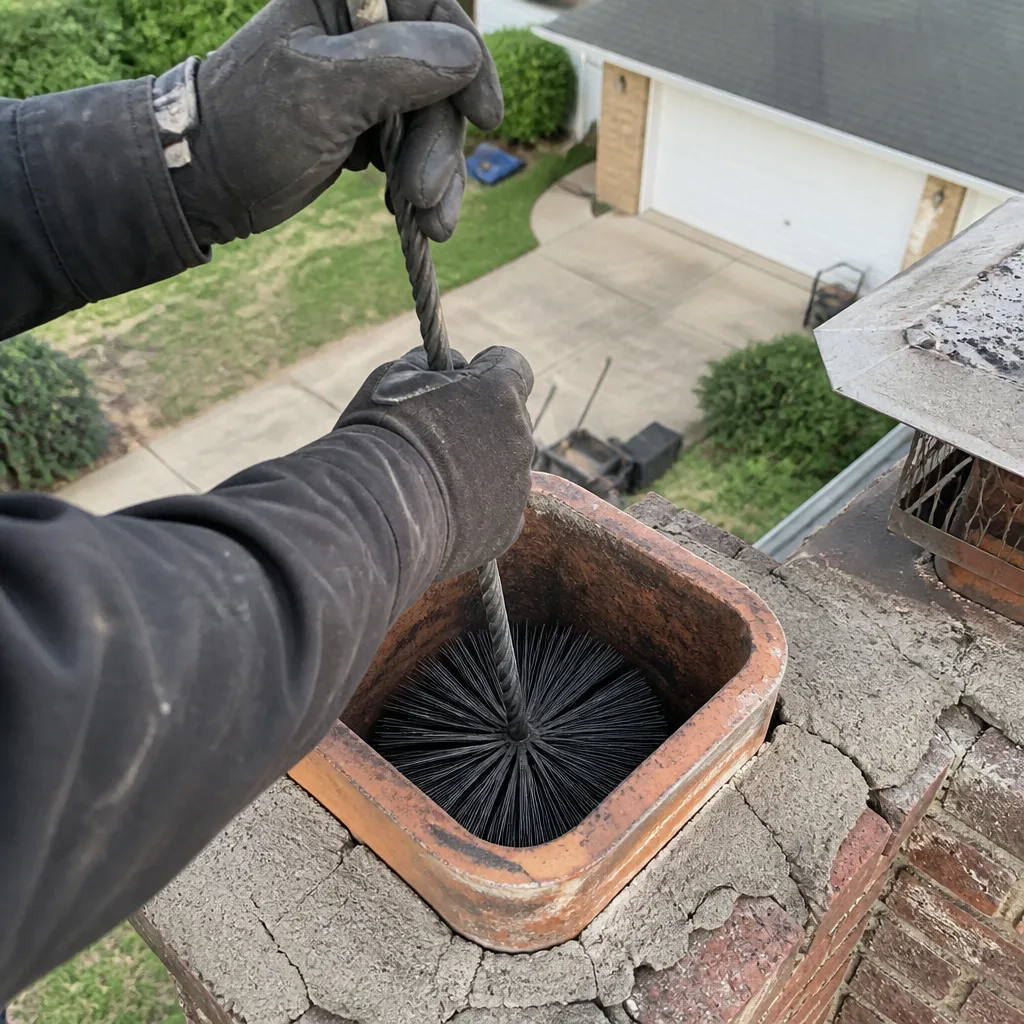
What DIY cleaning cannot do is assess. The brush moves past problems without revealing them. Here are the specific gaps that create risk:
- Liner crack detection: Clay flue tiles crack vertically from thermal shock or horizontally from freeze-thaw expansion. A brush slides past a hairline crack. A camera reveals it. Cracked liners allow heat and combustion gases into wall cavities, a leading cause of structure fires in Will County.
- Third-degree creosote identification: This is the hardened, glazed, tar-like deposit that forms during slow, smoldering burns, common when homeowners load wet wood or damp down the air supply. It looks like black glass. It cannot be brushed out. It requires chemical treatment or rotary removal. A homeowner brushing past it thinks the flue is clean; the creosote remains, highly combustible, with an ignition temperature near 450°F.
- Smoke chamber assessment: The smoke chamber is the area above the damper that funnels smoke into the flue. Building codes require it to be parged smooth, but many Joliet homes built before 1980 have corbeled brick with mortar gaps. These gaps collect creosote and create turbulence that reduces draft. No brush reaches this diagnosis.
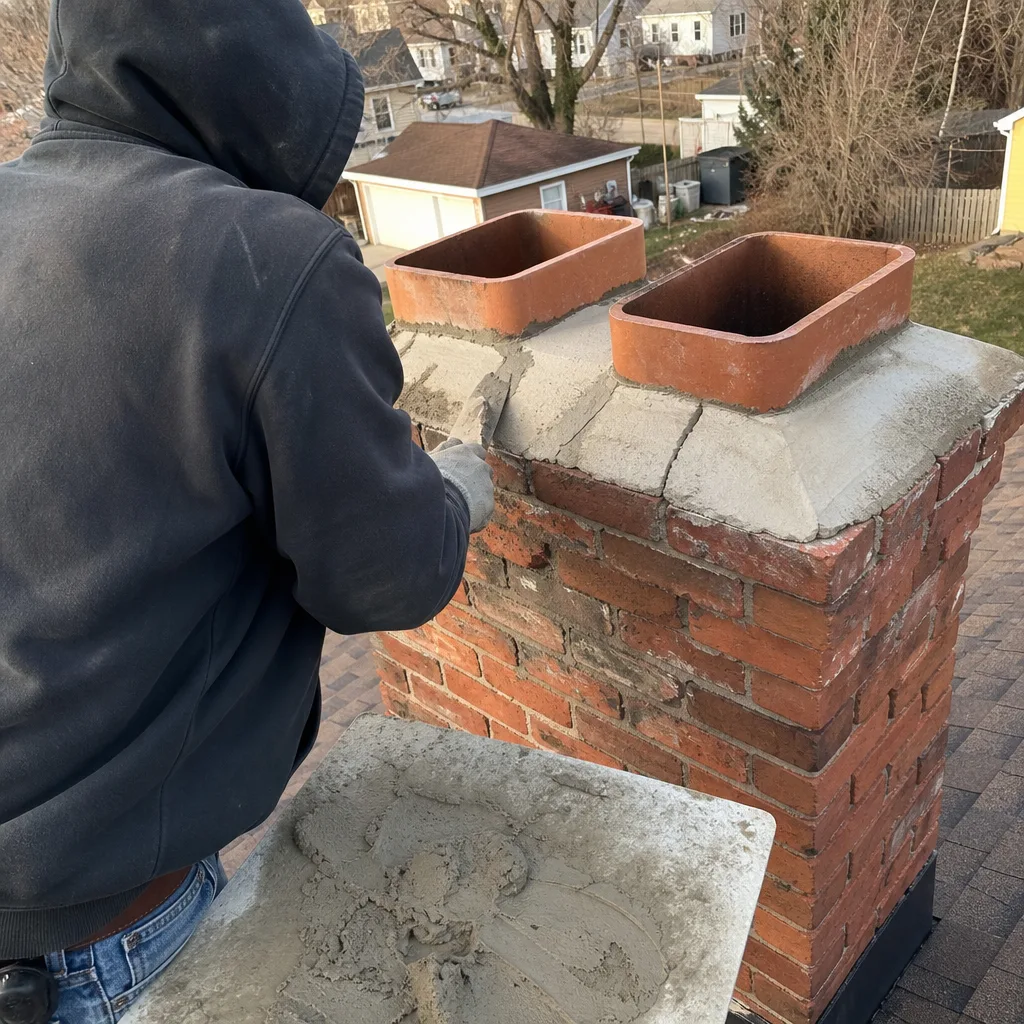
- Crown and cap integrity: The concrete crown seals the chimney top; the cap keeps water and animals out. Cracks in the crown allow water into the chimney structure, accelerating freeze-thaw damage. A DIY cleaner working from inside never sees this.
- Clearance verification: NFPA 211 requires specific clearances between the flue liner and combustible framing. In older Joliet homes with modified attics or added insulation, these clearances sometimes get compromised during renovation. Only visual inspection confirms them.
We’ve documented cases in Joliet’s Fairmont neighborhood where homeowners brushed annually for a decade, then sold their home and watched the buyer’s inspector flag a cracked flue liner that required $2,800 in repairs. The flue was clean. It was also unsafe. The seller had no documentation to show the liner condition at any point, and the crack likely existed for years.
The Documentation Gap: Why It Matters for Insurance and Resale
The central argument against DIY chimney cleaning, for most Joliet homeowners, is not technical incompetence. It’s the documentation gap. A clean flue with no record is, in the eyes of an insurer or home inspector, an uninspected flue.
Here’s what the documentation gap looks like in practice:
After a chimney fire: Insurance adjusters increasingly request written inspection records and photo documentation. A homeowner who files a claim after a chimney fire and cannot produce evidence of professional inspection faces potential coverage disputes. The adjuster’s question is not “Did you maintain the chimney?” but “Can you prove it?”
During home sale: Will County home inspectors routinely inspect chimney condition. A seller with no documented inspection history may be required to obtain one before closing, or accept a credit for estimated repairs. A seller with annual Level 2 inspection records from a licensed chimney professional has negotiable evidence.
After weather events: Joliet’s position at the intersection of multiple storm tracks means wind and hail damage to chimneys is common. Filing a claim for crown or cap damage is smoother with pre-existing documentation showing the condition before the storm.
What professional documentation includes:
- Written scope of work and condition assessment
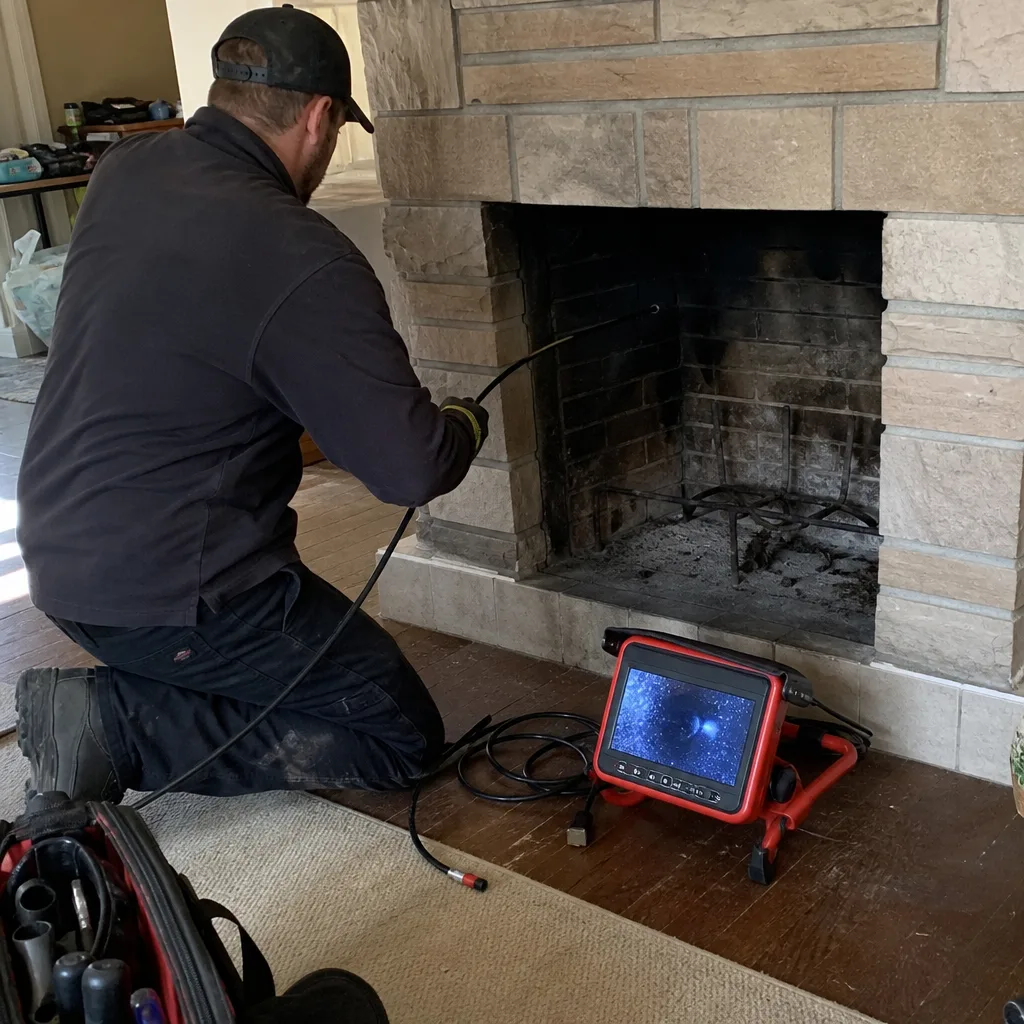
- Photo record of flue interior, smoke chamber, crown, and firebox
- Video scan of the flue liner (NFPA 211 Level 2 standard)
- Written price for any recommended repairs
- Written warranty on work performed
Clause 4 of the Haven Standard requires this photo record on every job. We’ve maintained this archive practice since 2009, years before insurers began requesting it. Every one of the 38,000+ chimneys we’ve inspected carries a documented record.
A DIY cleaner produces none of this. The work may be competent. It is invisible.
The Joliet Climate Factor: Freeze-Thaw and Liner Stress
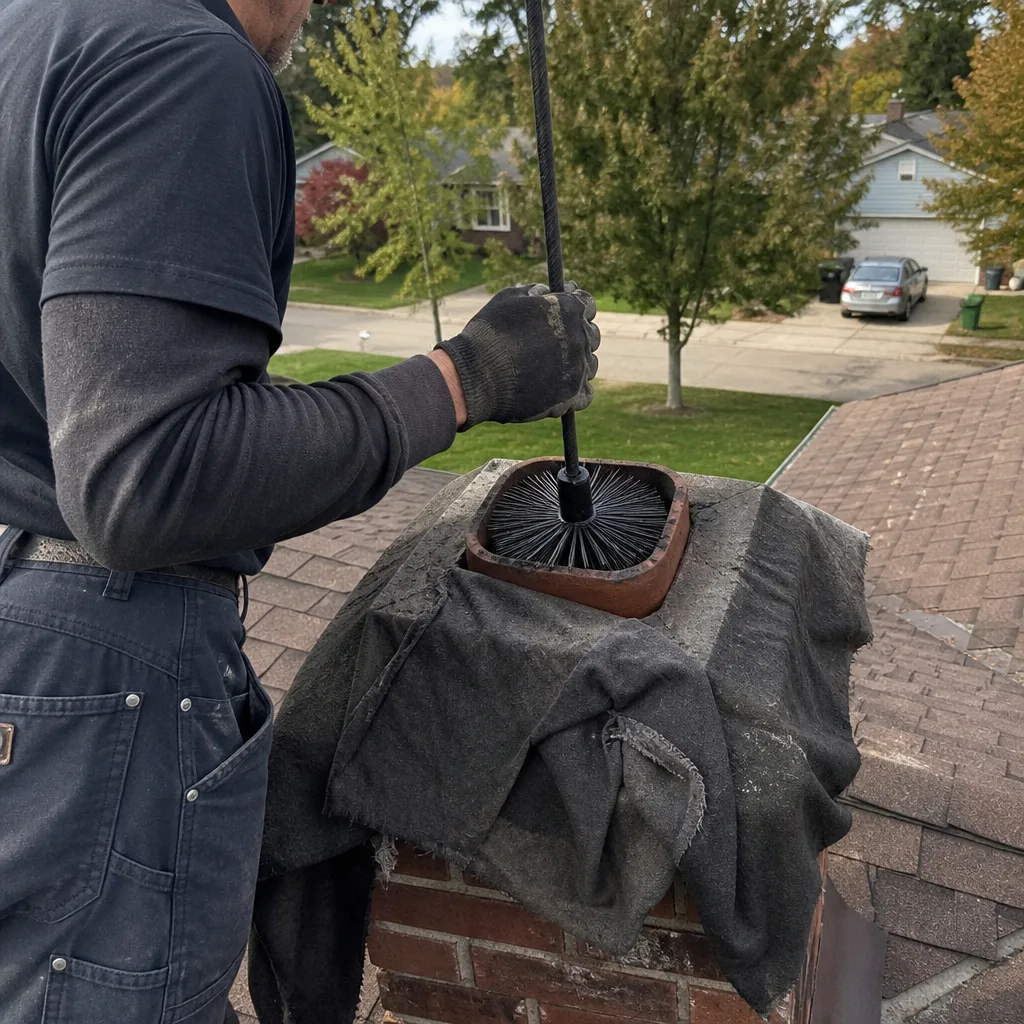
Seasonal chimney cleaning care for Joliet matters because the climate shifts the DIY calculus in a specific way. The city sits at 41.5°N with continental weather patterns: average January lows of 15°F, average July highs of 84°F, and roughly 30 freeze-thaw cycles annually where temperatures cross 32°F within a 24-hour period. Each cycle, water trapped in masonry expands and contracts. Over years, this stresses clay flue tiles, mortar joints, and concrete crowns.
What this means practically:
- A hairline crack in a flue liner that might remain stable for years in a milder climate can propagate rapidly in Joliet’s freeze-thaw environment.
- Crown cracks that develop in autumn often worsen dramatically by spring, allowing water into the chimney structure that accelerates deterioration.
- Spalling brick, where the freeze-thaw cycle flakes the brick face, is common on Joliet chimneys exposed to prevailing northwest winds.
We’ve inspected chimneys in Joliet’s Rockdale and Ingalls Park areas where liner cracks were visible on camera but invisible from the firebox. The homeowner had no indication of a problem. In a milder climate, the crack might have remained minor for years. In Joliet’s cycle, it was actively worsening.
This climate reality makes liner-condition documentation more valuable here than in places with fewer freeze-thaw events. A homeowner in Atlanta or Phoenix might reasonably extend inspection intervals. A Joliet homeowner who cannot document liner condition is flying blind through the most damaging weather pattern their chimney faces.
Local building practices compound this. Many Joliet homes built 1950-1980 used single-wythe brick construction with clay flue liners that were adequate for the era’s heating loads but marginal for modern fireplace use. These liners are more susceptible to thermal shock and freeze-thaw damage than the heavier liners specified in contemporary construction.
Cost Comparison: DIY, Hybrid, and Professional Models
Cost is where most homeowners start the DIY conversation. For a detailed chimney cleaning cost breakdown, here’s the actual math for Joliet, with specific numbers that reflect our local market:
| Approach | Initial Cost | Annual Cost | What You Get | What You Don’t Get |
|---|---|---|---|---|
| DIY brushing only | $80-$150 (tools) | $0-$30 (replacement brushes) | Surface creosote removal from accessible flue | Liner inspection, documentation, repair identification |
| Hybrid: DIY brushing + pro inspection every 3 years | $80-$150 (tools) | $0-$30 (brushing) + $189-$279 (inspection every 3rd year, or $63-$93 annualized) | Regular cleaning + periodic documented assessment | Annual professional assessment; potential gap if conditions change between inspections |
| Professional sweep and Level 2 inspection annually | $0 | $189-$279 | Complete cleaning, camera inspection, photo record, written condition report, repair quote if needed | Nothing missing; full documentation |
The hybrid model deserves specific attention. A homeowner who brushes annually and schedules a professional Chimney Cleaning & Sweep in Joliet with Level 2 inspection every two to three years spends roughly $63-$93 annually when averaged. This produces regular cleaning plus periodic documentation. The risk is what happens in the gap years: a cracked liner or developing obstruction goes undetected for 24-36 months.
For comparison, annual professional service at $189-$279 includes the cleaning, the inspection, and the documentation every year. The premium over hybrid is roughly $100-$180 annually, or $8-$15 monthly.
We offer free second opinions on any written estimate, so Joliet homeowners comparing these numbers against competitor quotes can bring us the paperwork. We’ll review it against what we find.
Tools, Safety, and When DIY Becomes Dangerous
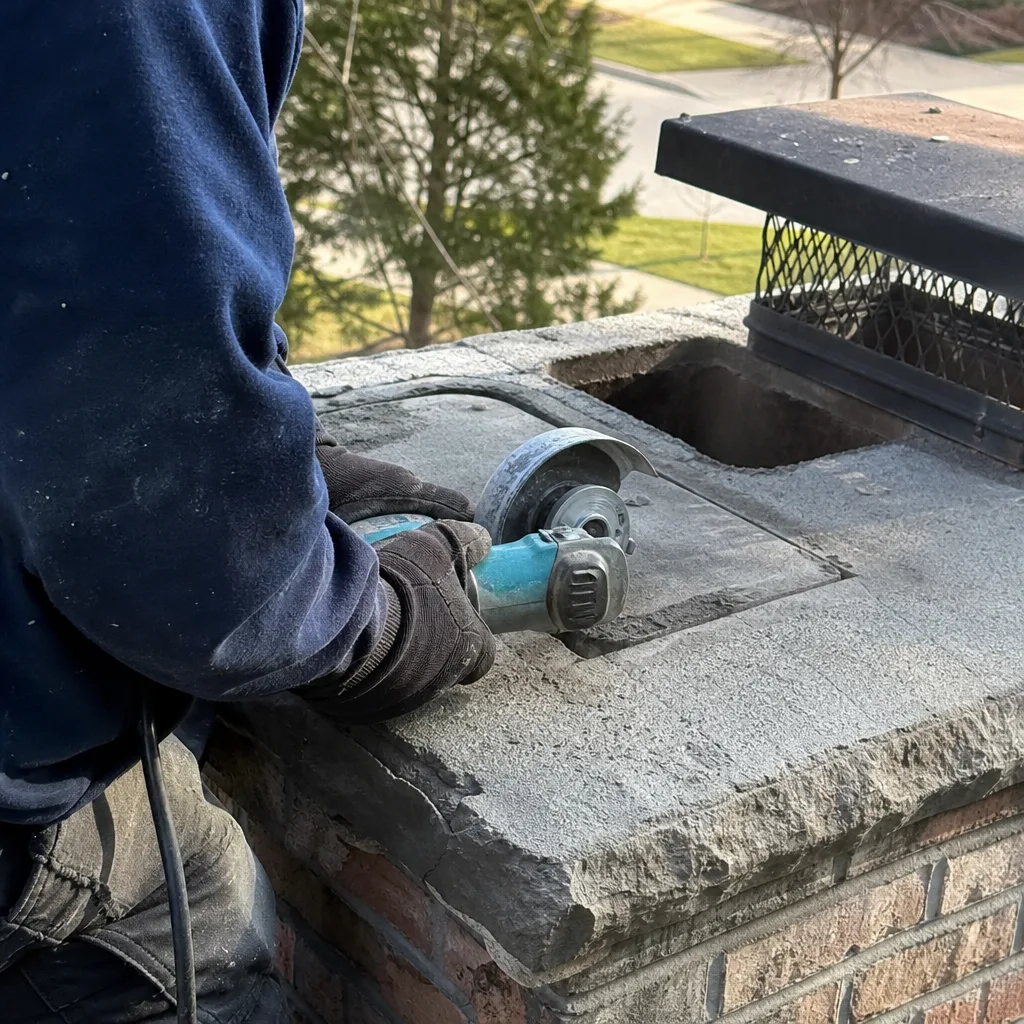
DIY chimney cleaning requires specific tools and carries specific risks. Here’s what competent work actually demands:
Essential tools:
- Chimney brush sized to your flue diameter (typically 6″, 7″, or 8″ for residential fireplaces)
- Extension rods, fiberglass or poly, sufficient to reach from top to bottom of flue
- HEPA-rated shop vacuum for soot containment
- Drop cloths and plastic sheeting to protect interior surfaces
- Safety glasses, respirator rated for fine particulates, and work gloves
- Ladder rated for roof access, with stabilizer, if working from the top
Safety considerations:
Roof work is the most dangerous component. Joliet’s split-level and ranch homes often have roof pitches of 6:12 or steeper, and winter brushing means cold, potentially icy surfaces. Falls from roof height cause serious injury. If you are not comfortable on a ladder in work gloves, do not attempt top-down cleaning.
Soot and creosote dust are respiratory hazards. Standard dust masks are insufficient. A properly fitted N95 or P100 respirator is necessary, and containment is critical if working inside the home.
Most critically, do not attempt DIY cleaning if you suspect third-degree creosote. This glazed deposit requires chemical treatment with products like ACS (Anti-Creo-Soot) or professional rotary removal with chains or whips. Mechanical brushing alone can polish the surface, making it harder to treat, or dislodge chunks that obstruct the flue. If your flue has shiny black deposits that don’t brush away easily, stop and call a professional.
Similarly, do not attempt repair work. Crown sealing, liner replacement, and masonry repair require specific materials and techniques. We source materials from HeatShield, Gelco, and Olympia Chimney through our Haven buying network specifically to match manufacturer specifications. Improper repair can create hazards worse than the original condition.
The Hybrid Approach: Brushing Yourself, Inspecting Professionally
The hybrid model, brushing annually with professional inspection every two to three years, is the most common compromise we see among Joliet homeowners. It reduces annual cost while preserving some documentation. Here’s how to execute it well:
Best practices for hybrid maintenance:
- Brush in early spring, after burning season ends, when creosote is easier to dislodge and any damage from winter freeze-thaw is present but hasn’t worsened through summer storms.
- Document your own work with dated photos of the brush condition, soot volume removed, and any visible firebox or damper issues. This creates a personal record, though it carries no professional standing.
- Schedule professional inspection before the third burning season without one, or immediately if you observe any change: draft reduction, smoke spillage, unusual odors, or visible exterior damage.
- Request a Level 2 inspection specifically, not a basic sweep. The camera scan is what produces the documentation that matters for insurance and resale.
The hybrid model fails when homeowners extend the inspection interval too long, or when conditions change unexpectedly. We’ve inspected chimneys in Joliet’s West Side where the homeowner brushed faithfully for five years, then discovered on camera that a lightning strike two years prior had cracked the liner. The crack was invisible from below, and the homeowner had no indication of a problem until the professional inspection.
For homeowners considering this approach, we recommend Chimney Repair in Joliet consultation at least every three years to maintain documented condition records. The savings from DIY brushing are real; the risk of undetected deterioration in Joliet’s climate is also real.
Making the Decision: A Framework for Joliet Homeowners
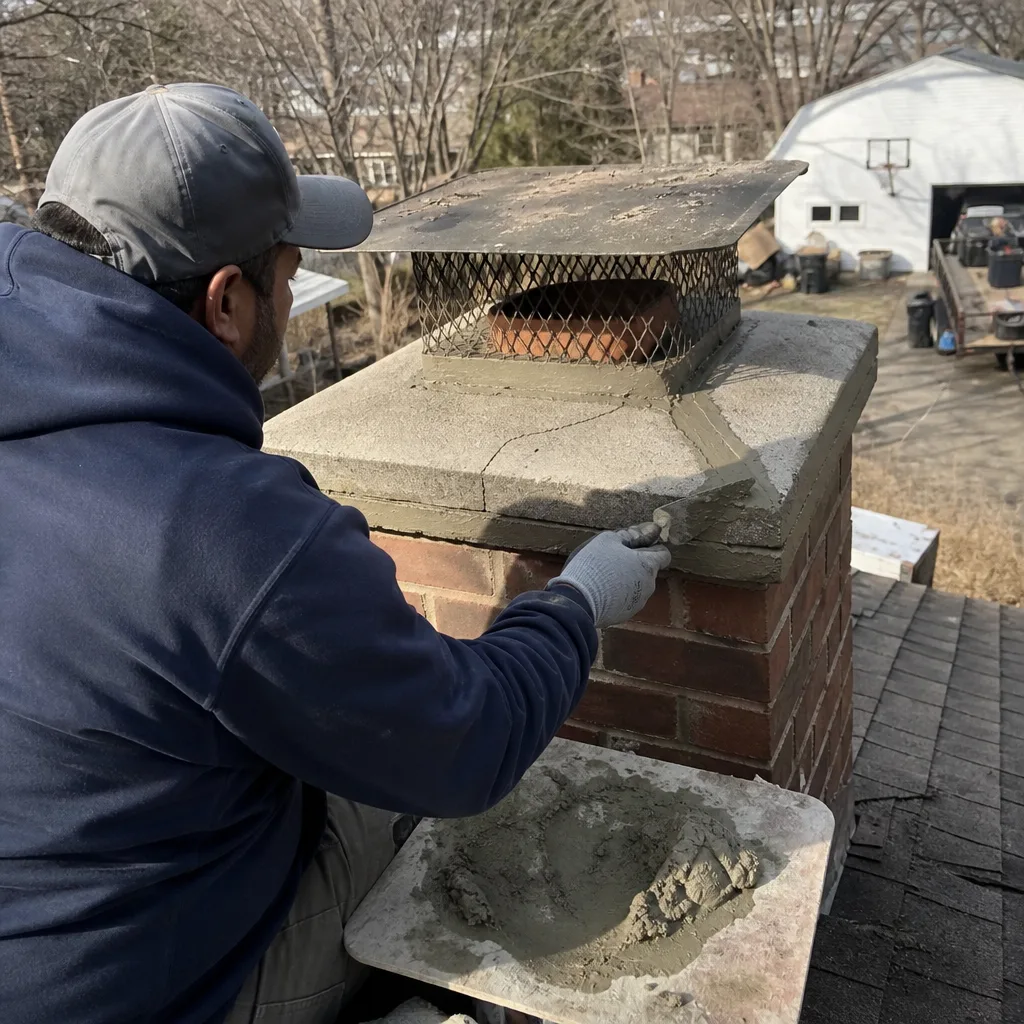
The right choice depends on specific variables. Here’s a decision framework based on what we’ve observed across 38,000+ inspections:
DIY brushing may be sufficient if:
- You burn only dry, seasoned hardwood (moisture content below 20%)
- You burn fewer than two cords annually
- Your fireplace drafts well with no smoke spillage
- Your chimney is less than 15 years old with no known liner issues
- You have no plans to sell within three years
- You accept the documentation gap and its implications
Professional service is the better choice if:
- You burn more than two cords annually, or burn softwood, pressed logs, or anything other than dry hardwood
- Your home is more than 30 years old with original clay flue liner
- You’ve had previous chimney fires, liner damage, or water infiltration
- You plan to sell within three years
- Your insurance policy requires documented inspection
- You use the fireplace as a primary or significant heat source
- You simply prefer documented certainty to assumed safety
For most Joliet homeowners in the 32-50 age bracket who bought their home between 2015 and 2025, the relevant question is often resale timing. If you plan to sell within five years, professional documentation pays for itself in smoother transactions. If you plan to stay indefinitely and accept the documentation gap, DIY brushing with periodic professional inspection is a defensible middle path.
We provide Fireplace Services in Joliet that include both annual maintenance programs and one-time inspections for homeowners evaluating their options. Every visit includes the documented photo record required by Haven Standard Clause 4.
Common Mistakes to Avoid
- Brushing a damaged liner: Running a brush through a cracked clay flue tile can enlarge the crack or dislodge fragments that obstruct the flue. If you hear unusual scraping or feel resistance beyond normal creosote drag, stop and schedule inspection.
- Using the wrong brush size: A brush too small for the flue diameter cleans only the center, leaving creosote on the walls. A brush too large can lodge in the flue or damage liner joints. Measure your flue before purchasing.
- Ignoring the smoke chamber: Joliet homes with older Rumford-style fireplaces or modified throat dampers often have complex smoke chambers where creosote accumulates out of brush reach. Surface flue cleaning misses this entirely.
- Cleaning from the roof without fall protection: Every year, homeowners are injured falling from single-story roofs while cleaning chimneys. The work is not worth a hospital visit.
- Assuming clean means safe: This is the fundamental error. A flue can be free of creosote and structurally compromised. The brush does not assess; it only cleans.
- Skipping inspection after severe weather: Joliet’s spring storms and winter freeze-thaw events can damage crowns and caps. A DIY cleaner working inside may never notice exterior damage until water infiltration becomes obvious.
- Using chemical creosote removers as substitute for mechanical cleaning: Products advertised as “throw in the fire and forget” may reduce creosote accumulation but do not replace brushing for existing deposits, and they do nothing for structural assessment.
When to Call a Professional
Call a professional immediately if you observe smoke spilling into the room, detect unusual odors during burning, see visible cracks in the firebox or exterior masonry, or find shiny black deposits that resist brushing. These indicate conditions beyond DIY scope.
Call before burning season if your chimney has not been inspected in over three years, if you’ve purchased a home with unknown chimney history, or if your insurance policy requires documented inspection. In Joliet’s climate, the freeze-thaw cycle makes annual professional assessment the conservative choice for any chimney over 25 years old.
Level Two Chimney Joliet offers free estimates in Joliet. Call (815) 620-5234 to schedule. Every estimate includes a written price before work starts, a documented photo record on completion, and the 365-Day Done Right Promise. We also provide free second opinions on any competitor’s written quote.
Frequently Asked Questions
Professional chimney cleaning with NFPA 211 Level 2 camera inspection in Joliet typically runs $189-$279, depending on flue configuration, accessibility, and whether repairs are identified. This includes the sweep, video scan, photo documentation, written condition report, and written repair quote if needed. Call (815) 620-5234 for an exact quote - estimates are free.
You need a new flue liner if the existing liner is cracked, deteriorated, or improperly sized for your appliance, because these conditions allow heat and combustion gases into wall cavities. However, not every recommended liner replacement is immediately urgent. At Level Two Chimney Joliet, we show you the camera footage and explain whether the condition requires immediate action or can be monitored. Nothing is recommended without photo evidence you can see yourself. Call (815) 620-5234 for a free second opinion on any liner replacement quote.
NFPA 211 recommends annual inspection for all chimneys, and sweeping when creosote buildup exceeds 1/8 inch. In Joliet’s climate, with freeze-thaw cycles that stress liners and the common use of fireplaces for supplemental heating, annual professional service is the conservative standard. Heavy users burning more than three cords annually may need mid-season assessment. The hybrid approach, DIY brushing with professional inspection every 2-3 years, is acceptable only for light users with newer, known-good systems.
Skipped cleaning allows creosote accumulation, which increases chimney fire risk and reduces draft efficiency. In Joliet’s freeze-thaw climate, it also means liner deterioration and crown damage go undetected, potentially leading to water infiltration, structural damage, and carbon monoxide hazards from compromised flue integrity. Insurance claims after chimney fires may be disputed without documented maintenance history. The cumulative cost of deferred maintenance typically exceeds regular service.
No. Insurance adjusters and home inspectors require documentation from a licensed chimney professional, specifically a written inspection report with photo or video evidence. Personal photos of DIY brushing do not satisfy this requirement. The Haven Standard Clause 4 photo record, maintained on every Level Two Chimney Joliet job since 2009, is the type of documentation insurers recognize.
A Level 1 inspection is a visual examination of accessible portions of the chimney exterior and interior, appropriate for chimneys with no changes and continued use. A Level 2 inspection adds a video scan of the flue interior, accessible areas in attics and crawl spaces, and assessment of clearances, required for home sales, new appliance installations, or after weather events or chimney fires. Level Two Chimney Joliet performs Level 2 inspection as standard on every visit, not as an upgrade.
The Bottom Line
DIY chimney cleaning is a maintenance task, not an inspection. It removes creosote but produces no evidence of structural condition. For Joliet homeowners, that distinction matters because freeze-thaw cycles accelerate liner deterioration, insurers increasingly request documentation, and home inspectors flag undocumented chimneys during resale. The hybrid model, brushing yourself with periodic professional inspection, splits the difference at moderate cost. Annual professional service with Level 2 camera inspection eliminates the documentation gap entirely. Browse our more guides & resources for additional homeowner information. The question is not whether you can run a brush. It’s whether you can afford to not know what the brush didn’t show you.
Level Two Chimney Joliet has operated under the Haven Standard since 2009, completing more than 38,000 chimney inspections and cleanings with written prices before work starts and documented photo records on every job. We serve Joliet with background-checked, uniformed technicians and live phone support 24 hours a day.
Call (815) 620-5234 for a free estimate, or visit our Level Two Chimney Joliet home page to learn more about our services.
Written by Corrine Halstead, Owner at Level Two Chimney Joliet, serving Joliet since 2009.