
Last updated September 22, 2026
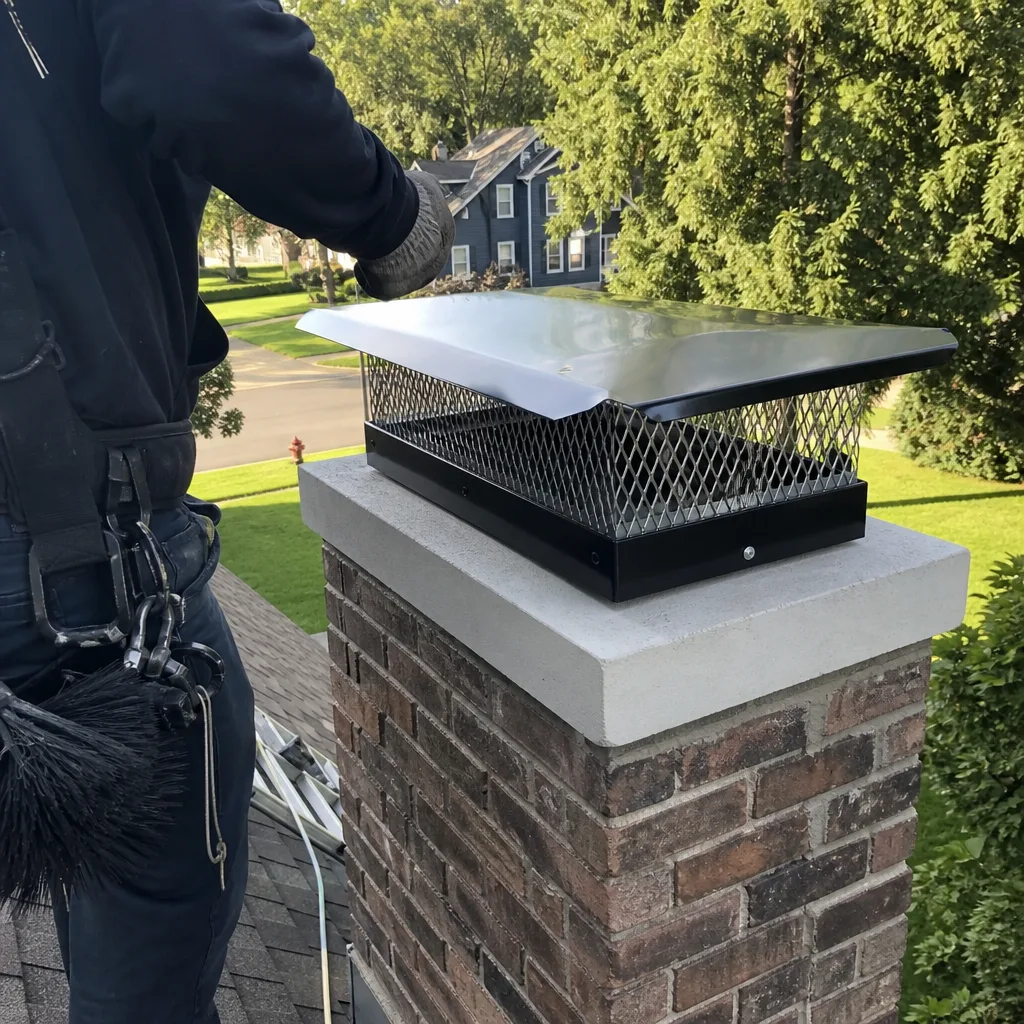
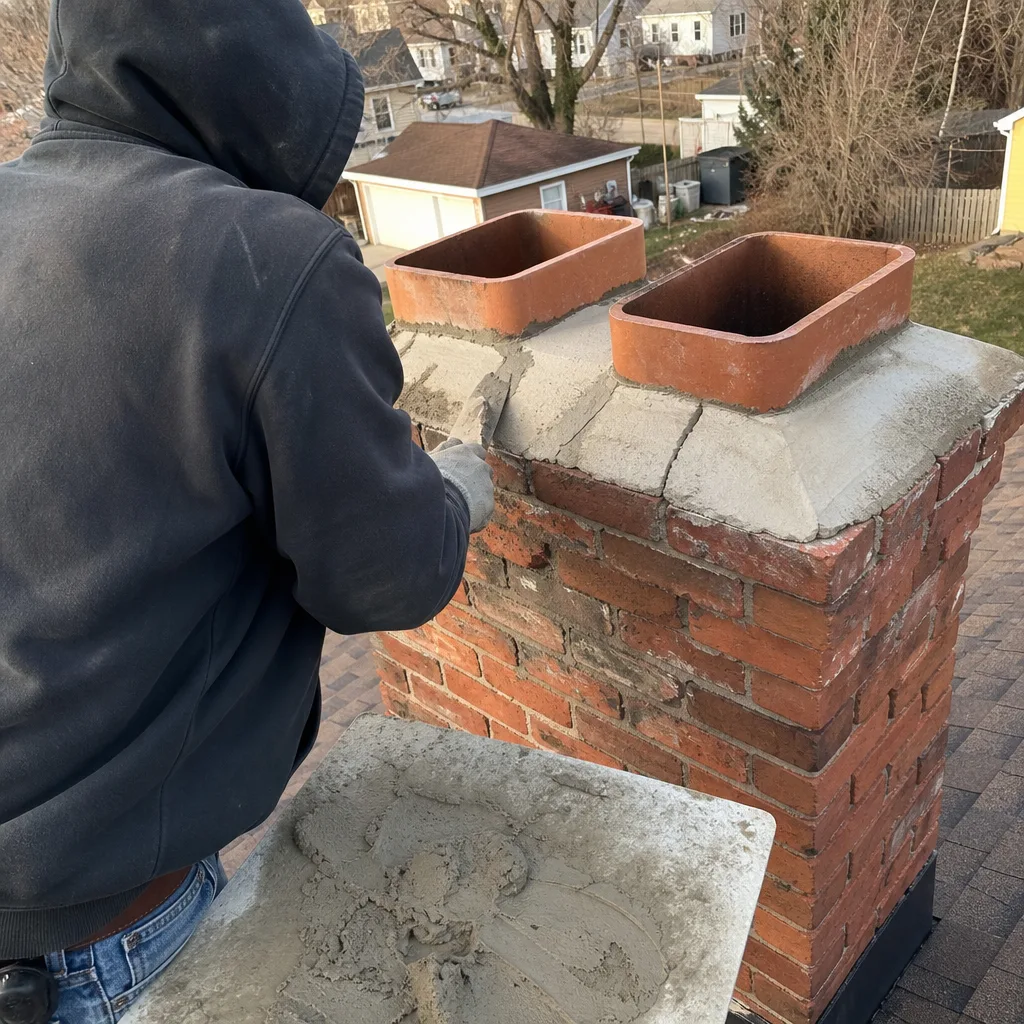
Level 1 sweep and inspection to the NFPA 211 annual standard - flue, crown, cap, and flashing checked and photographed
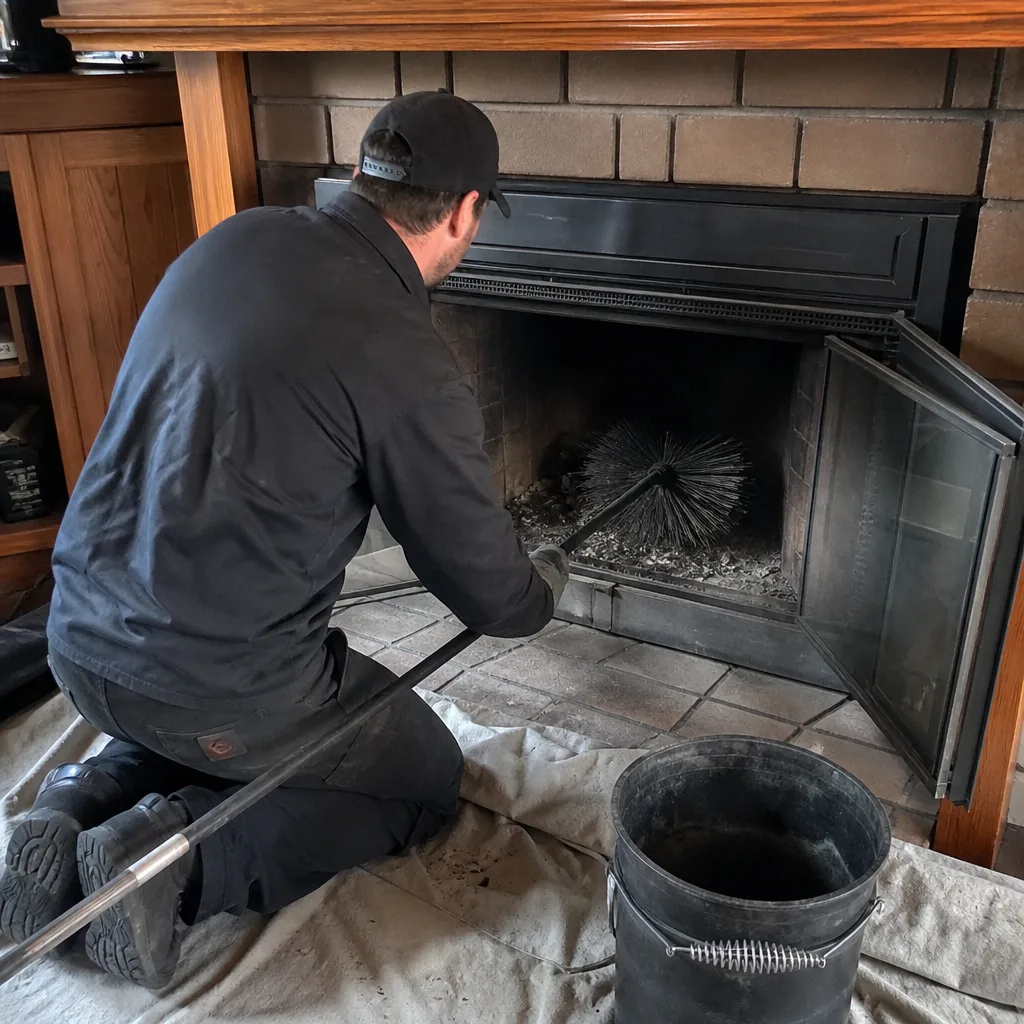
Chimney sweep logs do not sweep chimneys. They loosen some creosote - which then falls where a brush and vacuum still have to collect it.
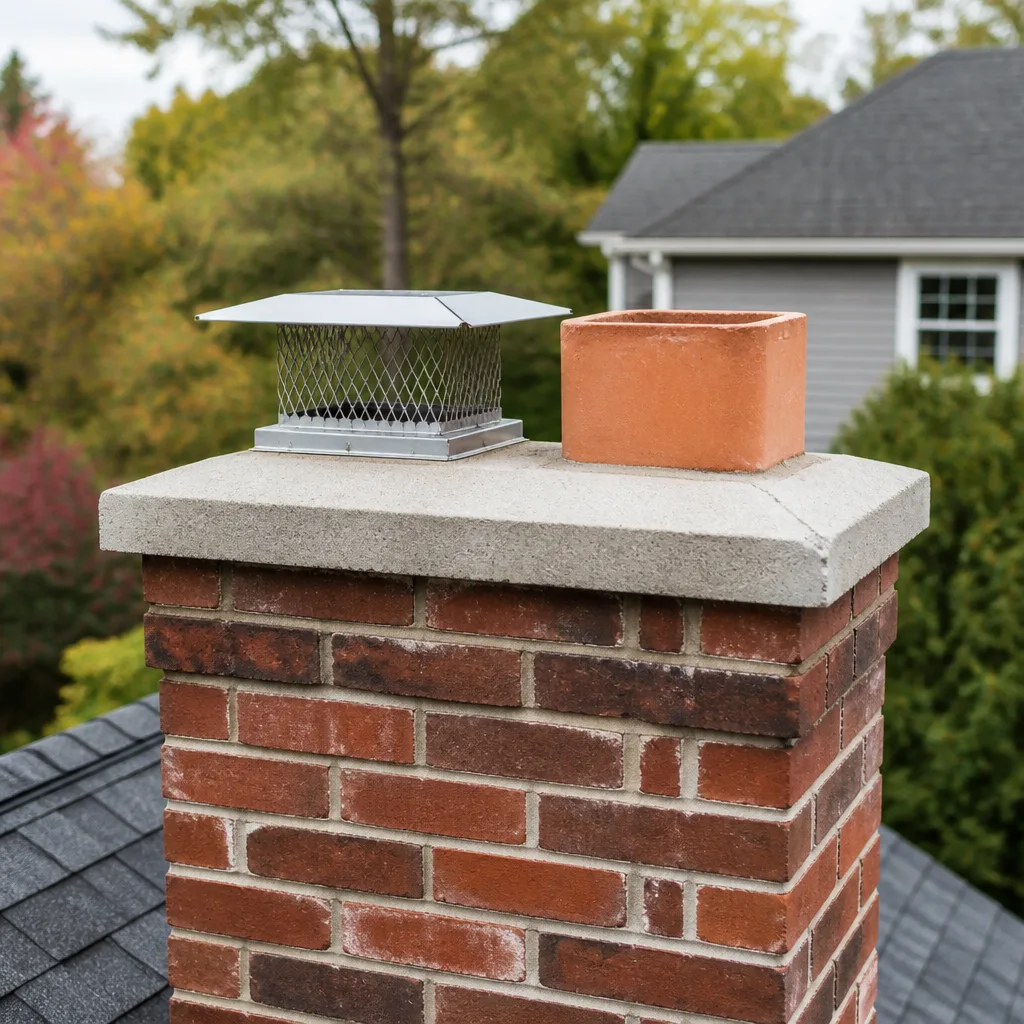
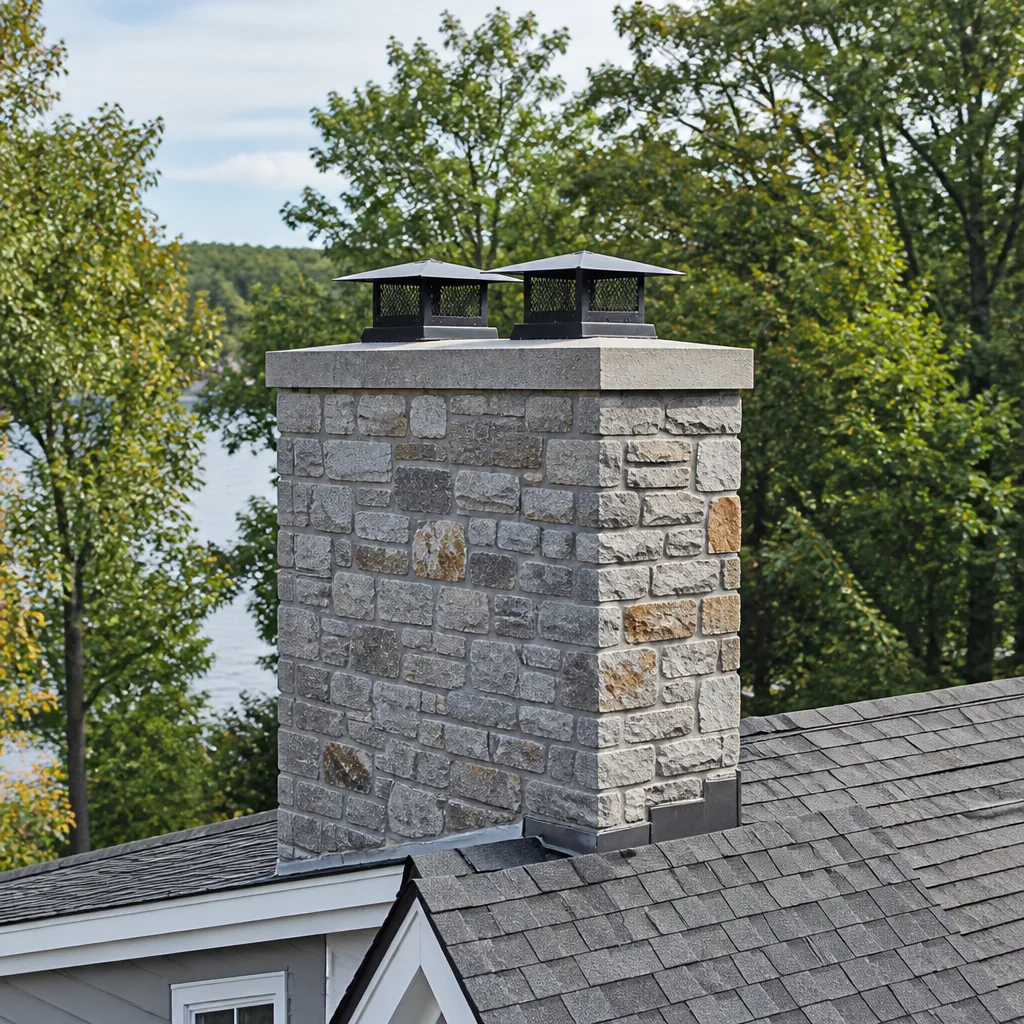
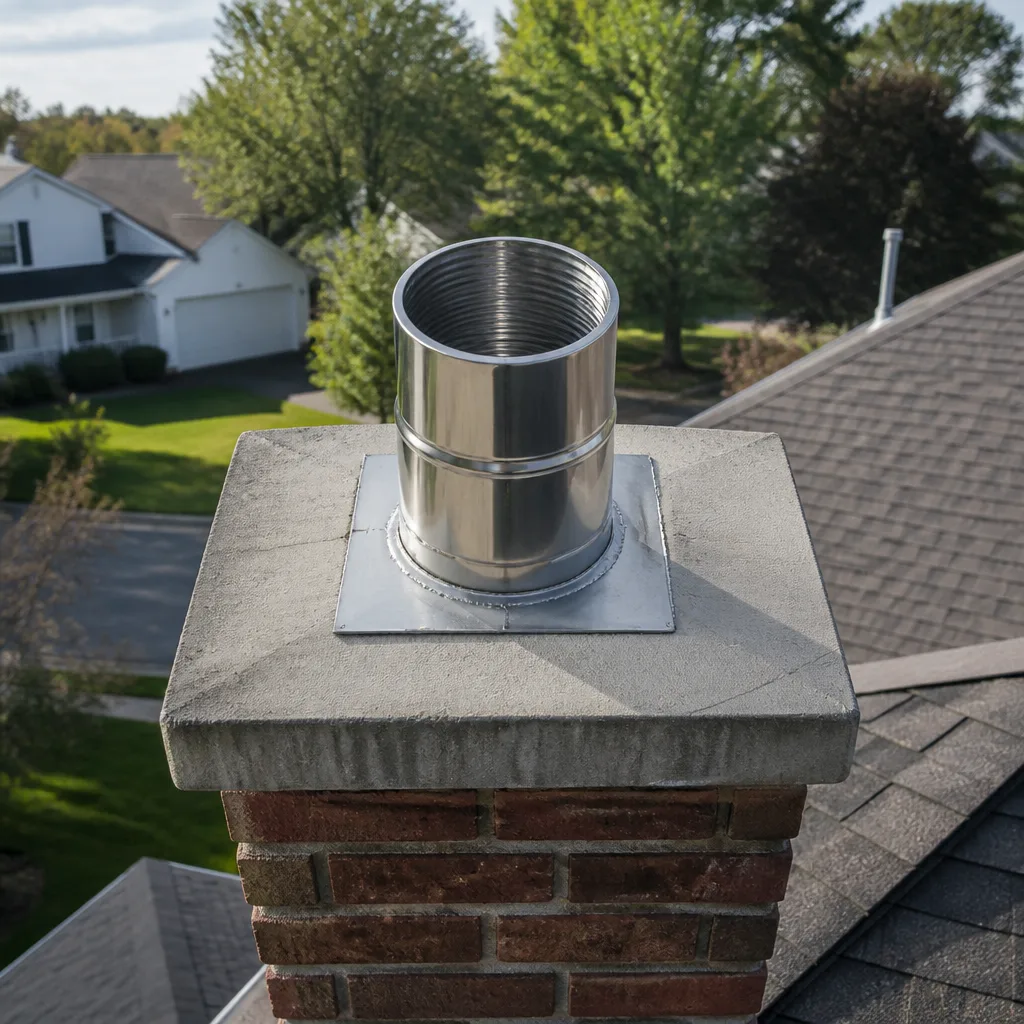
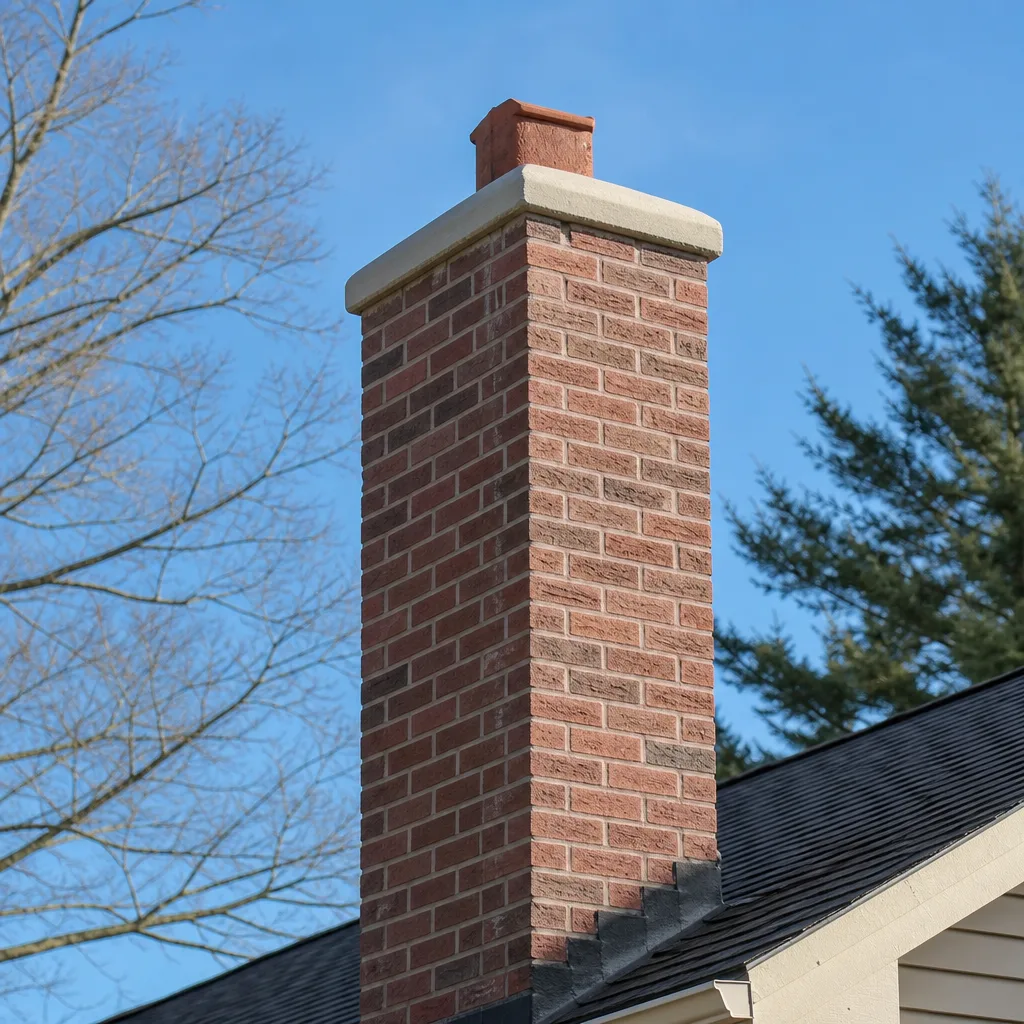
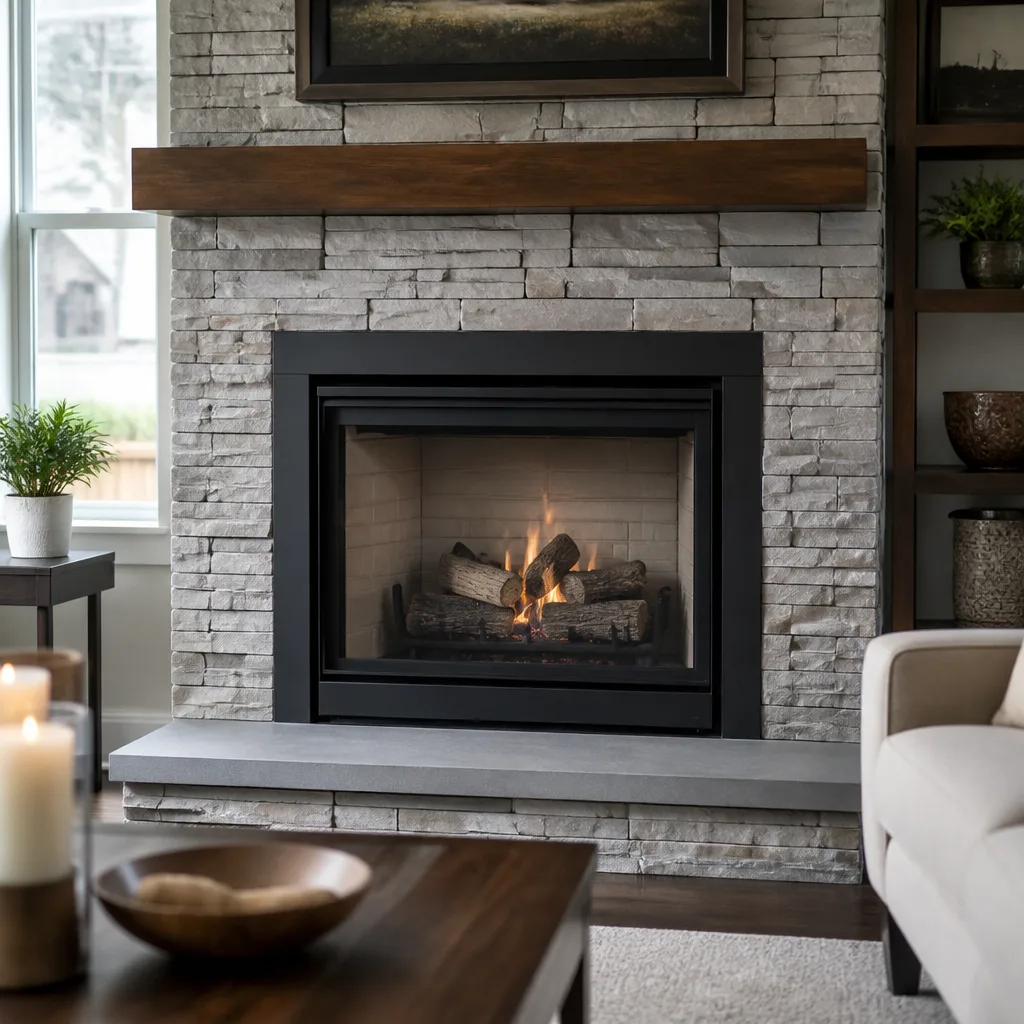
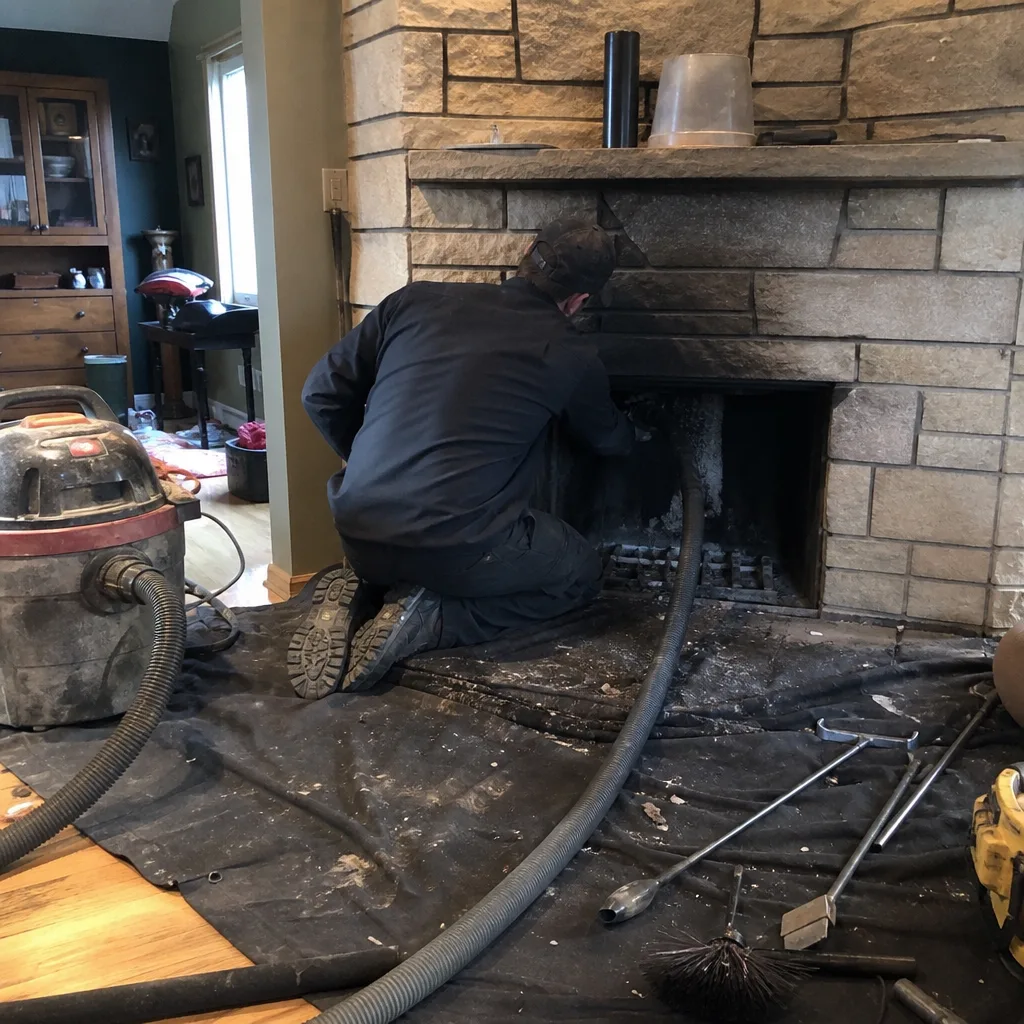 Before
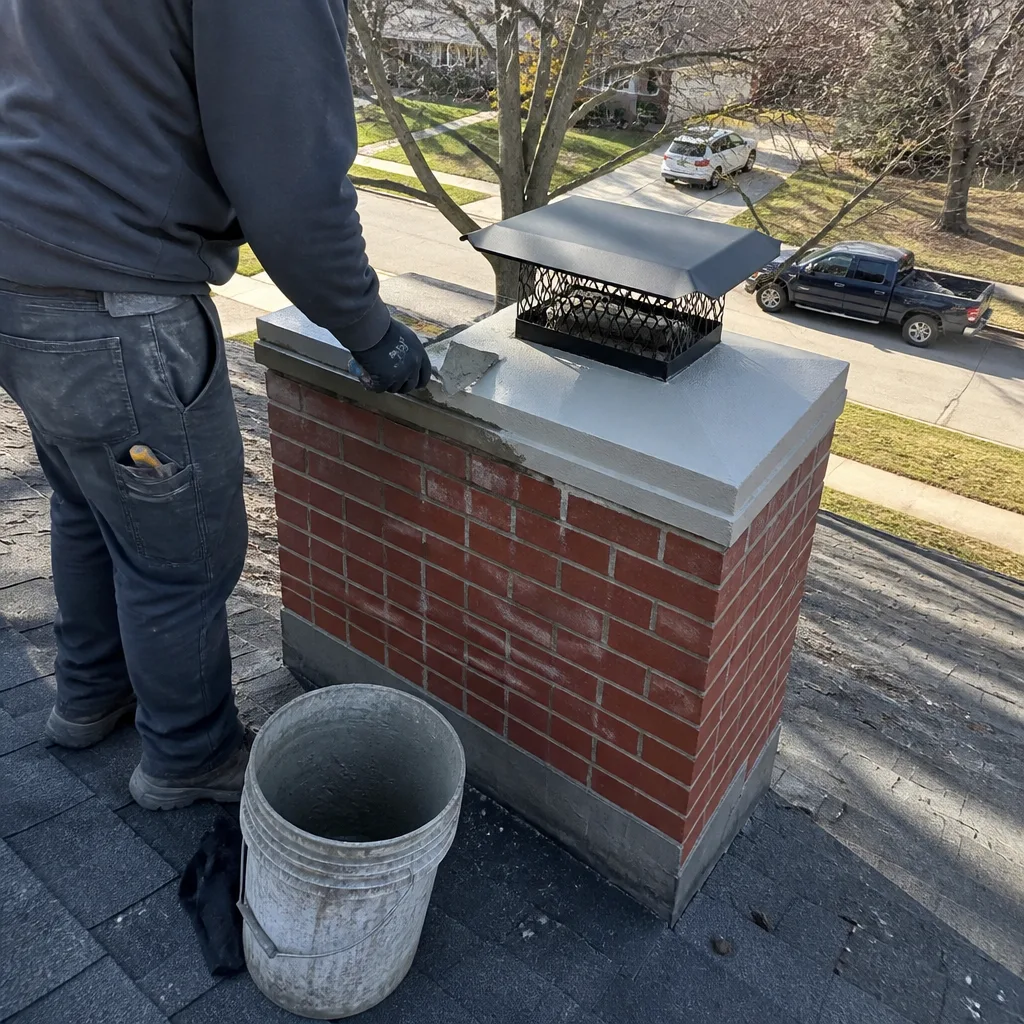 After
After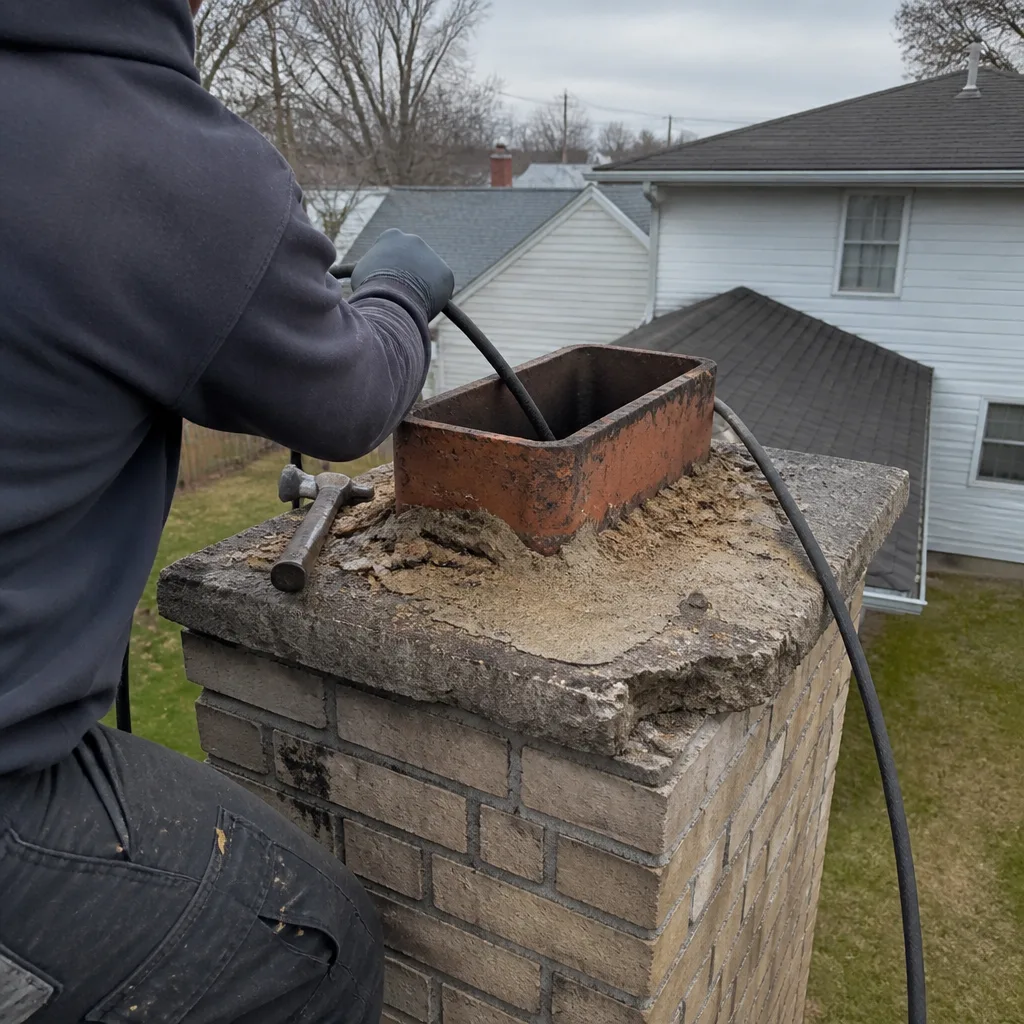 Before
 After
After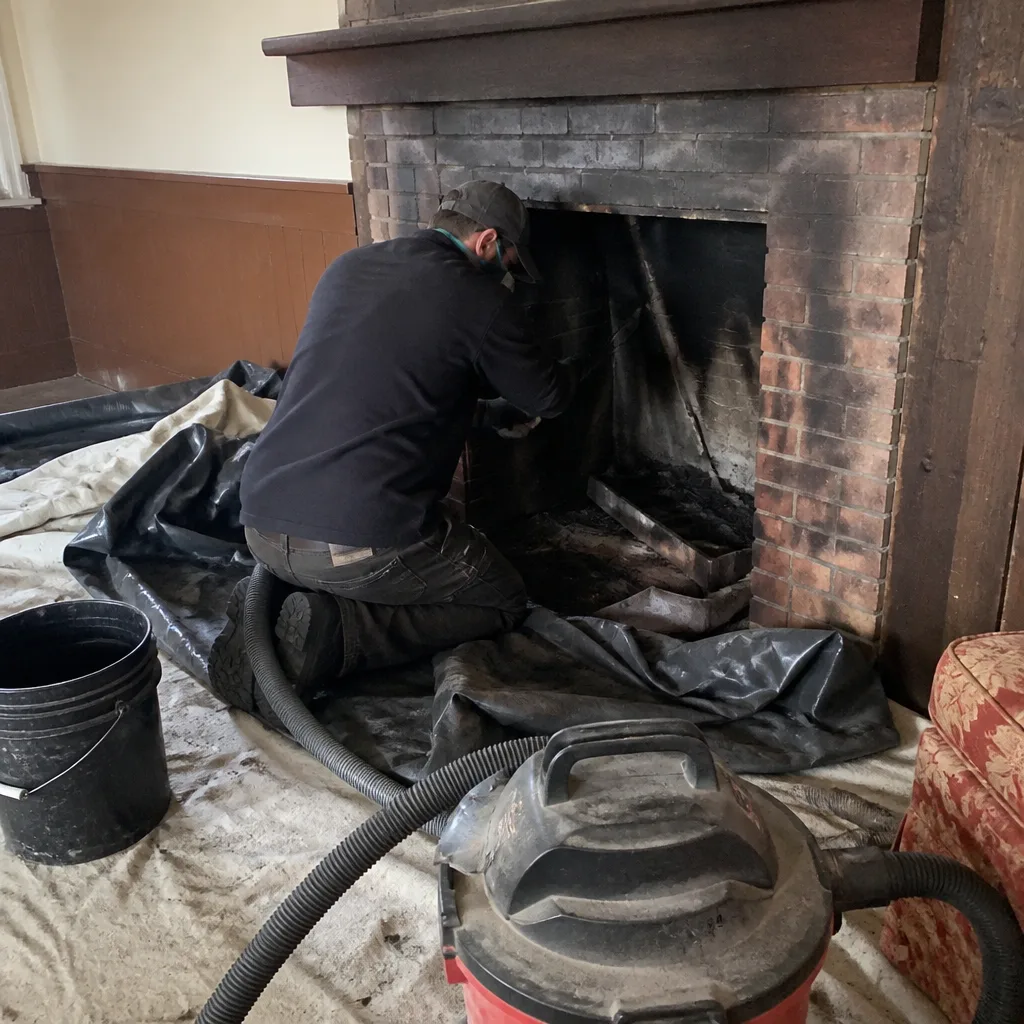 Before
 After
AfterThe Complete Guide to Chimney Cleaning in Joliet
The NFPA estimates that 27% of home heating fires involve chimneys that were “recently cleaned.” That statistic only makes sense once you realize most Joliet homeowners are paying for a brush-and-vacuum sweep while assuming they’re getting a full condition assessment. In our experience across Will County since 2009, the gap between what customers think they bought and what they actually received is where the danger lives. This guide separates cleaning, inspection, and repair into three distinct services so you’ll know exactly what documentation proves your chimney is safe to use, not merely clean, and complements our more guides & resources for Joliet homeowners.
Quick Answer
A proper chimney cleaning in Joliet costs between $189 and $329 for a standard sweep with NFPA 211 Level 2 camera inspection included. The service removes creosote buildup from the flue liner and smoke chamber, documents liner condition with photos, and produces a written report with repair recommendations backed by visual evidence. In Joliet’s climate, with 38 sub-freezing nights per winter accelerating freeze-thaw damage to clay tile liners, cleaning without camera documentation leaves you guessing whether the flue is actually sound.
Table of Contents
- What Chimney Cleaning Actually Includes (And What Most Companies Skip)
- Level 1 vs. Level 2 Inspection: What Each Actually Reveals
- How Joliet’s Freeze-Thaw Cycle Destroys Chimneys From the Inside
- First, Second, and Third-Degree Creosote: Why the Stage Determines the Price
- How to Read Your Written Report After the Camera Comes Back Up
- What Written Documentation Should Contain (And Why Verbal Estimates Are Unenforceable)
- How Often Should a Chimney Be Cleaned in Joliet?
- Common Mistakes to Avoid
- When to Call a Professional
- Frequently Asked Questions
- The Bottom Line
 Before
 After
AfterWhat Chimney Cleaning Actually Includes (And What Most Companies Skip)
Most Joliet homeowners search for “chimney cleaning” and book the cheapest sweep they can find. What arrives is often a technician with a rotary brush, a shop vacuum, and 45 minutes. The flue looks cleaner. The homeowner gets a carbon-copy receipt. No one looked at the liner with a camera. No one checked the smoke chamber for creosote glazing. No one documented whether the crown has hairline cracks that will let water into the flue next spring.
Here’s what a complete service actually involves:
- Pre-work camera baseline. Before any brush touches the flue, a chimney camera records the full interior condition. This establishes what was there before cleaning, so post-cleaning footage proves what changed. Without this baseline, a company can claim “it was already cracked” if they damage something during the sweep.
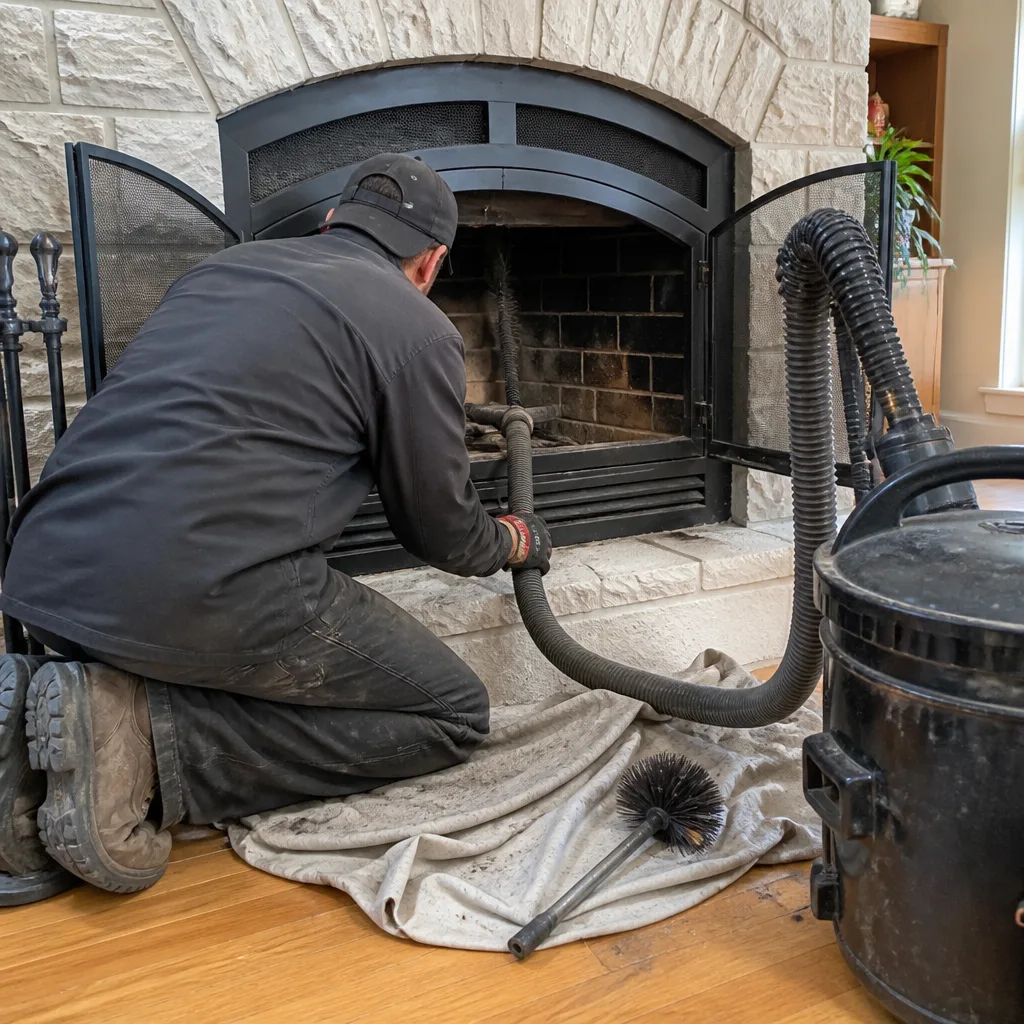
- Mechanical sweep of the flue liner. Poly or wire brushes sized to the flue diameter remove loose soot and creosote deposits. The tool choice matters: poly brushes for metal liners, properly fitted wire brushes for clay tile. An oversized brush chips tile edges. An undersized brush leaves residue.
- Smoke chamber and firebox cleaning. The area above the damper and the firebrick surfaces collect creosote too, especially in Joliet’s older homes near the Des Plaines River where fireplaces were built with deeper smoke chambers that trap residue.
- Debris removal and HEPA containment. Creosote is a listed hazardous material. Proper containment, not just a household vacuum, is required.
- Post-cleaning camera verification. The camera goes down again. Photos show clean flue walls, document any cracks or spalling found, and prove the work was thorough.
- Written report with scope, findings, and recommendations. Delivered before anyone asks for payment or proposes additional work.
At Level Two Chimney Joliet, Clause 4 of the Haven Standard requires that documented photo record on every visit. We’ve done this since 2009, before insurers or regulators asked for it. The archive practice became the model for what we now call the Haven Standard because customers kept telling us the same thing: they had no way to verify what a previous company claimed to have found.
Level 1 vs. Level 2 Inspection: What Each Actually Reveals
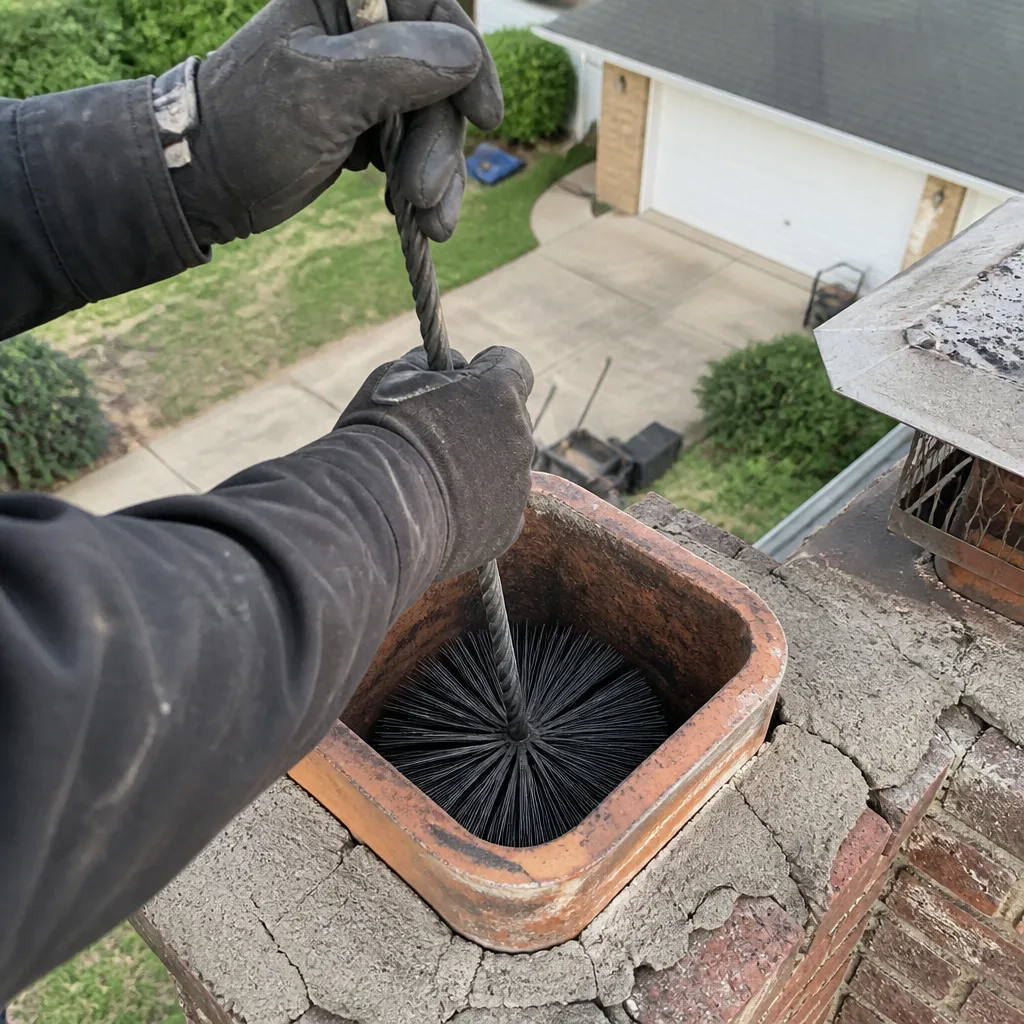
The NFPA 211 standard defines three inspection levels, but only two matter for residential work. Understanding the difference protects you from paying Level 2 prices for Level 1 work.
Level 1 Inspection: A visual examination of readily accessible portions of the chimney exterior, interior, and connecting appliances. The inspector uses a flashlight, maybe a mirror on a pole. No tools are used to open panels or access concealed areas. No camera enters the flue. A Level 1 is appropriate when no changes have been made to the system and you’re continuing to use it as you always have.
Here’s what a Level 1 cannot see:
- Cracks in clay tile flue liners behind soot deposits
- Joint gaps between liner sections that allow flue gases into masonry voids
- Creosote glazing (third-degree) that has bonded to the liner surface and won’t brush off
- Spalling or flaking tile that indicates freeze-thaw damage progression
- Obstructions like bird nests or collapsed liner sections below the smoke chamber
Level 2 Inspection: Everything in Level 1, plus examination of accessible attics, crawl spaces, and basements, and a camera scan of the interior flue and smoke chamber. This is required when property is changing hands, after a chimney fire or operational malfunction, or when you’re modifying the appliance or fuel type. In practical terms, it’s what any responsible sweep should perform when they don’t have a documented record of your flue’s interior condition.
In Joliet’s housing stock, built heavily between 1950 and 1985 with clay tile liners now entering their sixth or seventh decade, a Level 1 inspection is close to worthless for safety assessment. The tiles crack from thermal cycling. Mortar joints degrade. Water enters through crown cracks, freezes, and spalls the liner surface. None of this is visible with a flashlight from below.
We’ve completed more than 38,000 chimney inspections and cleanings since 2009, and the pattern is consistent: the chimneys that failed catastrophically were the ones that had received “annual cleanings” from companies performing Level 1 passes and never catching the liner degradation that made the flue unsafe. The Haven Standard makes Level 2 camera documentation the default because the alternative is guessing.
How Joliet’s Freeze-Thaw Cycle Destroys Chimneys From the Inside
Joliet averages 38 nights below freezing each winter, with January lows regularly hitting single digits. That thermal stress doesn’t just make your heating bill painful. It actively dismantles chimney structures through a mechanism most homeowners never consider.
Water is the enemy, and it enters through paths invisible from the ground:
- Crown cracks: The concrete slab at the top of your chimney shrinks and cracks over time. A hairline crack in September becomes a water highway by November. Water enters, freezes overnight, expands, and widens the crack. By March, the crown is spalling concrete chunks into the flue.
- Flue liner spalling: Clay tile is porous. Water absorbed into the tile face freezes, expands, and flakes off the surface layer. Each freeze-thaw cycle removes a thin laminate. After enough winters, the tile wall is thin enough to crack under normal firing temperatures. In neighborhoods like Cathedral Area and East Side, where many homes date to the 1920s-1950s, we’ve documented liner walls reduced to half their original thickness.
- Mortar joint erosion: The refractory mortar between clay tiles degrades faster than the tile itself. Water penetration dissolves the mortar, creating gaps that let flue gases leak into the surrounding masonry. Carbon monoxide can migrate through these voids into wall cavities or living spaces.
- Brick face spalling: The exterior brickwork suffers the same freeze-thaw attack. Spalled brick faces expose softer interior masonry to accelerated deterioration. We’ve replaced chimney crowns in Joliet where the underlying brick was so compromised that rebuilding was the only safe option.
The specific geography matters too. Homes near the Des Plaines River valley, in areas like Rockdale and Joliet Junction, experience higher humidity and more frequent freeze-thaw cycling than properties on higher ground near the I-80 corridor. That moisture load accelerates every degradation mode.
This is why camera documentation matters so specifically in Joliet. A flue liner that looks sound in October can show active spalling by April. Without a photo record from the previous sweep, you have no baseline to compare. Clause 4 of the Haven Standard exists because we saw too many Joliet homeowners told their liner was “fine” one year and “needs immediate replacement” the next, with no documentation to support either claim.
Materials matter for repairs in this climate. We source liner and crown repair materials through Haven’s buying network from DuraFlex for stainless steel liner installations, HeatShield for cerfractory flue resurfacing, and Olympia Chimney for replacement clay tile when original materials are still viable. The procurement relationship keeps prices honest and ensures we’re specifying materials rated for the thermal and moisture stress Joliet chimneys experience.
First, Second, and Third-Degree Creosote: Why the Stage Determines the Price
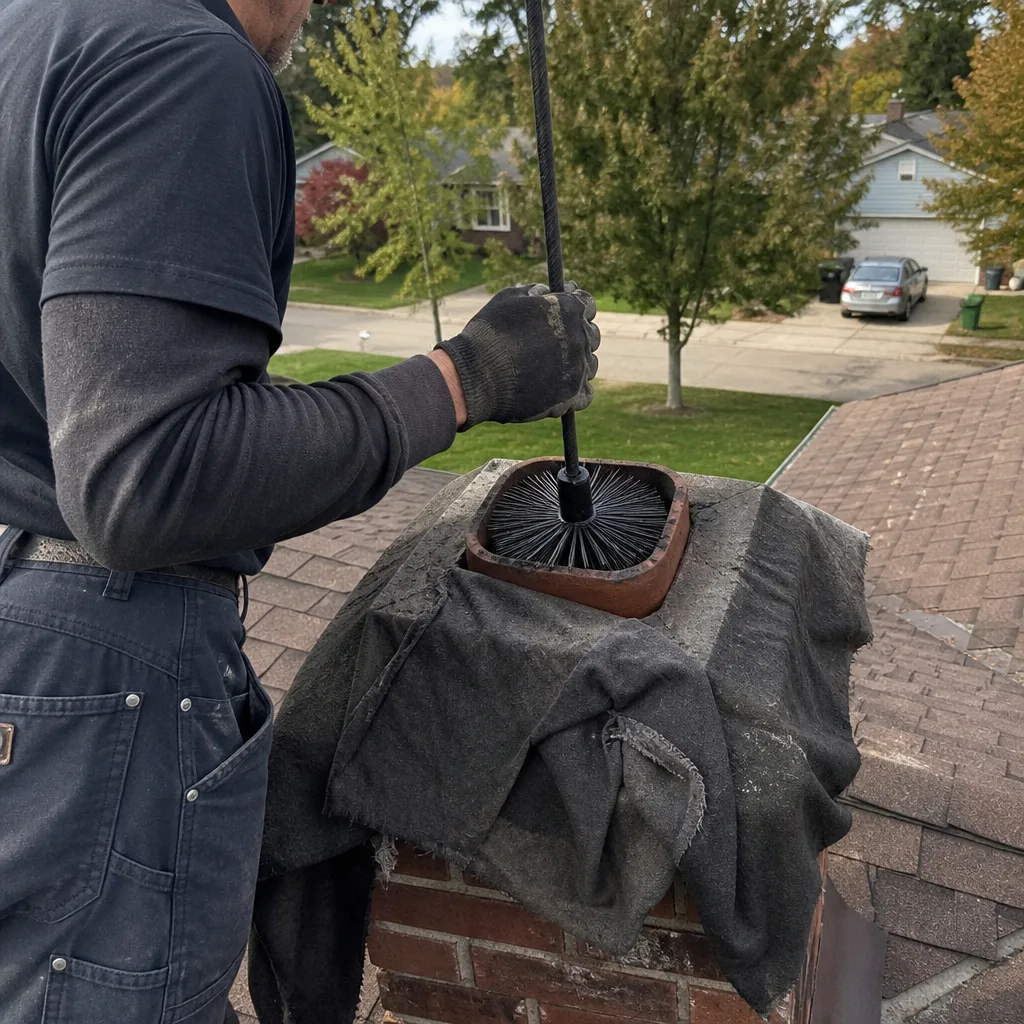
Creosote isn’t one substance. It’s a progressive buildup that changes chemical composition and physical properties as it ages, and the stage determines both the cleaning method and the cost.
First-degree creosote: Fine soot, usually from dry hardwood burned with adequate air supply. Brushes off easily with standard poly or wire brushes. This is what most Joliet homeowners with modern EPA-certified stoves or well-operated fireplaces produce. A standard sweep handles it.
Second-degree creosote: Flaky or crunchy deposits, often from burning at lower temperatures or with restricted air. Requires more aggressive brushing, sometimes mechanical rotary tools. Still removable with mechanical methods alone.
Third-degree creososote: Glazed, hardened, tar-like coating bonded to the liner surface. This is the dangerous stage. It’s highly combustible, reduces flue diameter restricting draft, and cannot be removed by brushing alone. Chemical treatment with a creosote modifier (typically a magnesium-based powder applied over multiple firing cycles) is required to break the bond before mechanical removal.
The distinction matters for pricing because third-degree creosote transforms a $189-249 standard sweep into a $400-700 treatment cycle requiring multiple visits. Here’s how the pricing breaks:
| Service | Typical Range | What’s Included |
|---|---|---|
| Standard sweep (1st/2nd degree) | $189 – $329 | Mechanical brush sweep, Level 2 camera inspection, written report with photos |
| Heavy creosote removal (2nd degree, extensive) | $329 – $450 | Rotary mechanical cleaning, possible second pass, full documentation |
| Third-degree treatment cycle | $450 – $700 | Chemical application, controlled firing cycle, mechanical removal, verification scan |
In Joliet, we see third-degree creosote most often in three scenarios: homeowners burning unseasoned wood purchased cheap in fall, older fireplaces with poor draft that smolder rather than burn, and installations where the flue is oversized for the appliance (common in 1960s-70s construction). The Cathedral Area and Near West Side have concentrations of these older installations.
We never recommend chemical treatment without camera evidence showing glazed creosote coverage percentage and thickness. The photos are your protection against unnecessary upsells. If a company proposes third-degree treatment, ask to see the camera footage. No footage, no treatment.
How to Read Your Written Report After the Camera Comes Back Up
The report you receive after a proper Level 2 inspection should be a document you can use for insurance, real estate disclosure, or your own maintenance planning. Here’s what legitimate documentation contains and how to evaluate whether recommendations are warranted.
Required elements:
- Property and appliance identification. Address, appliance type, fuel type, liner material and dimensions. Vague reports (“fireplace inspected”) are useless for records.
- Pre-cleaning camera footage. Time-stamped images or video stills showing flue condition before work begins. This protects both parties.
- Creosote classification. Stage of buildup, estimated coverage percentage, locations (flue, smoke chamber, firebox).
- Liner condition assessment. Tile-by-tile or section-by-section notation of cracks, spalling, joint gaps, mortar loss. For metal liners, seam condition and corrosion evidence.
- Crown and cap evaluation. Crack mapping, concrete condition, cap fit and mesh integrity.
- Smoke chamber and damper condition. Parged or unparged, corbelled construction, damper operation.
- Post-cleaning verification. Matching footage proving flue is clean and any noted damage is unchanged or documented.
- Code references. Specific NFPA 211 sections or local code articles that support any recommendation.
- Written scope and price for any recommended work. Not a verbal “you need a liner.” A written description of the problem, the proposed repair, the materials (brand and specification), and the total price.
Red flags that suggest upselling:
- Recommendations without photo evidence. “We saw cracks” but no image of the crack is unprofessional and unenforceable.
- Urgency without proportion. A hairline crown crack needs monitoring and eventual repair, not a same-week $3,000 rebuild.
- Code citations that don’t exist. Ask for the specific NFPA 211 section. A legitimate technician can provide it.
- Liner replacement recommended for single cracked tiles. Spot repair with proper refractory materials is often viable and much less expensive.
- “Your chimney is unsafe to use” without explaining the specific failure mode and showing you the evidence.
At Level Two Chimney Joliet, our reports reference specific Haven Standard clauses: Clause 1 requires the written price before work starts, Clause 4 requires the photo record. The report is your enforceable document. If a competitor’s estimate seems high or vague, our Free Second Opinion brings their written quote under camera verification. We’ve found $4,000 liner replacements that needed $400 crown sealing, and we’ve found “minor cracks” that were actually full liner separations hidden behind soot. The camera doesn’t negotiate.
What Written Documentation Should Contain (And Why Verbal Estimates Are Unenforceable)
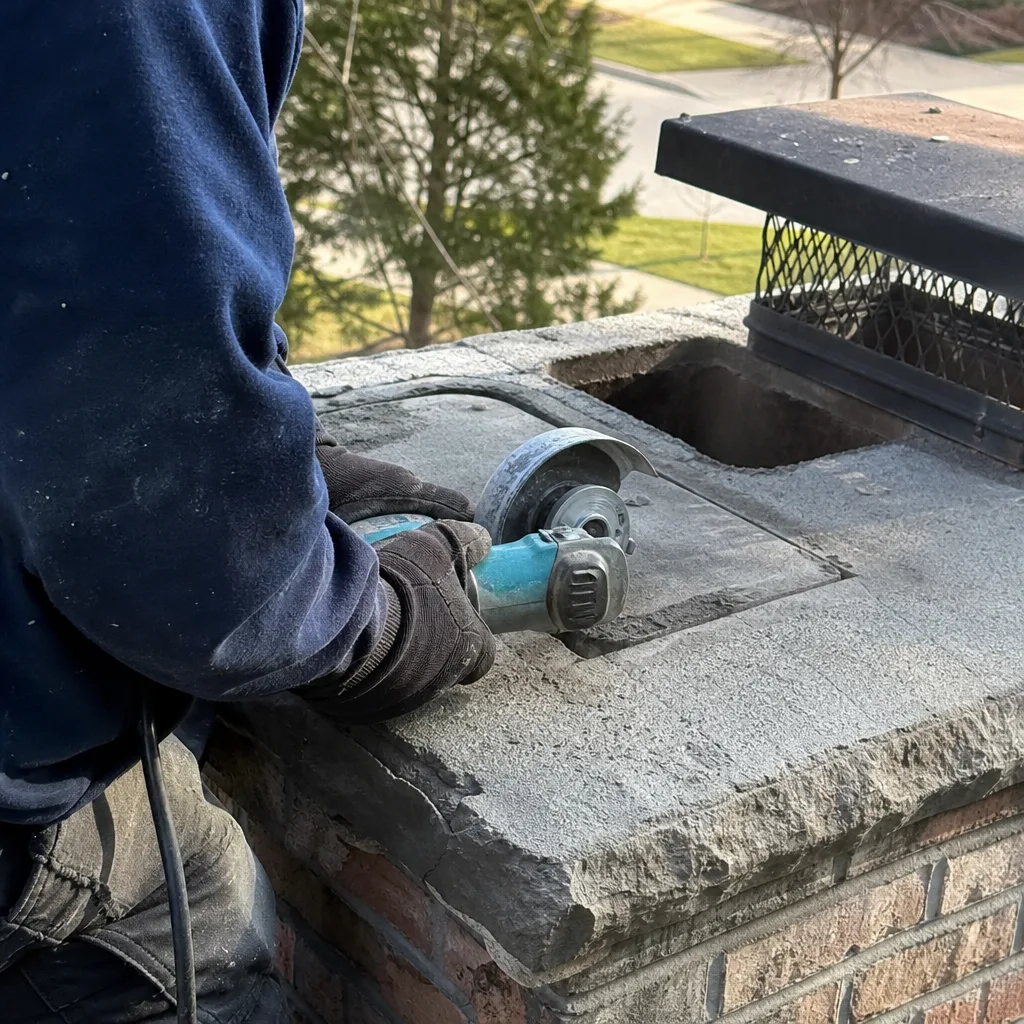
The chimney service industry runs on verbal estimates because verbal estimates can’t be held to account. “He said it would be around $300” is worthless in small claims court. “He handed me a written scope with line items and a total” is evidence.
Here’s what the Haven Standard requires, and what you should demand from any service provider:
Before work begins:
- Written description of the work to be performed, with specificity (“sweep flue liner from firebox to crown, Level 2 camera inspection, clean smoke chamber and firebox, HEPA debris removal”)
- Total price, with no open-ended “plus materials” clauses
- Warranty terms, including duration and what triggers it
- Technician name and license information
- Estimated completion time
After work is completed:
- Before-and-after photo documentation
- Written findings report with any recommendations
- Written scope and price for any recommended future work
- Invoice matching the pre-work quote, with explanation of any changes
- Documentation of warranty activation
The 365-Day Done Right Promise backs every Level Two job: if it’s not done right, we make it right. That promise is stamped on every invoice because it’s only as good as the paper it’s printed on. Verbal promises evaporate. Written warranties are enforceable.
In Joliet’s market, we’ve seen a consistent pattern: companies that resist written quotes before work starts are the same companies that find “additional problems” once the technician is in your home. The pressure tactic works because the homeowner feels trapped. The Haven Standard’s Clause 1, “Have it in writing,” eliminates that dynamic entirely. You know the price before anyone touches your chimney. If new findings emerge during the inspection, they’re documented with photos and presented as a separate written scope with its own price. You choose whether to proceed. No surprises.
For homeowners in Joliet neighborhoods like Shorewood, Plainfield-adjacent areas, or the historic districts near downtown, this documentation discipline is especially valuable for resale. A documented inspection history with photo records transfers confidence to buyers and satisfies insurer requirements that are increasingly common in Will County transactions.
How Often Should a Chimney Be Cleaned in Joliet?
The NFPA 211 standard states that chimneys should be inspected annually and cleaned as needed. “As needed” depends on use, fuel, and appliance efficiency. Here’s the practical breakdown for Joliet’s climate and housing stock:
Wood-burning fireplaces: After every cord of seasoned hardwood burned, or annually, whichever comes first. A typical Joliet household burning 2-3 cords per winter needs annual sweeping. Unseasoned wood or more frequent fires can require mid-season inspection.
Gas fireplaces and inserts: Annual inspection, cleaning typically minimal unless debris accumulation or venting issues are found. The inspection matters more than the sweep for gas systems, as corrosion and vent blockages are the primary hazards.
Pellet stoves: Every 2-3 tons of pellets, or annually. Ash accumulation in the vent system is the primary concern.
Oil and gas furnaces with masonry chimneys: Annual inspection. Sulfuric acid condensation from modern high-efficiency appliances degrades clay liners rapidly. We’ve replaced liners in Joliet’s 1980s-era homes where furnace venting destroyed the flue in under 10 years.
Unused chimneys: Still inspect every 2-3 years. Water intrusion, animal nesting, and structural deterioration don’t pause because you’re not burning fires. A capped but uninspected chimney in Joliet’s climate can accumulate significant damage between uses.
The 38 sub-freezing nights matter here too. A chimney used intermittently, heated and cooled repeatedly, experiences more thermal stress than one in steady use. The cathedral areas of older Joliet homes, with their original clay liners, are particularly vulnerable to this cycling. We’ve documented more liner cracks in lightly used chimneys than in heavily used ones, because the thermal shock of intermittent firing exceeds the steady-state stress of regular use.
Our recommendation for Joliet homeowners: schedule inspection in late summer or early fall, before the burning season begins. This timing allows repair scheduling without heating disruption, and it catches freeze-thaw damage from the previous winter before it’s hidden behind new soot deposits. Fireplace services in Joliet book heavily in October; August and September appointments offer more flexibility and thorough attention.
Common Mistakes to Avoid
- Booking a “sweep special” without confirming inspection level. That $99 coupon is almost certainly a Level 1 flashlight pass with no camera. You’re paying for a brush rental, not a safety assessment. In Joliet’s older housing stock, this is a false economy that risks your structure.
- Burning unseasoned wood to save money. Wood with moisture content above 20% produces massive creosote buildup, transforms a standard sweep into a third-degree treatment cycle, and increases chimney fire risk. The “cheap” wood costs more in service and danger than properly seasoned hardwood.
- Ignoring the smoke chamber. Many sweeps clean the flue and call it done, leaving glazed creosote in the smoke chamber where temperatures peak during a chimney fire. The smoke chamber is where most chimney fires start. Demand it be included in the scope and documented in the report.
- Accepting verbal repair recommendations. “Your liner is cracked” without photo evidence is an opinion, not a finding. Every recommendation should reference specific footage and provide a written scope with materials specified. We’ve seen Joliet homeowners quoted $5,000 for “cracked liners” that camera verification showed were intact mortar joints.
- Skipping inspection after a chimney fire. Even a small, self-extinguished chimney fire causes thermal damage to liner and masonry that may not be immediately visible. A Level 2 inspection is mandatory after any fire event, and insurance typically covers it.
- Assuming a new home purchase inspection covered the chimney. General home inspectors are not chimney specialists. Their visual exterior check misses liner condition, creosote stage, and internal structural issues. Budget for a separate Level 2 inspection before closing, especially in Joliet’s 1950-1985 housing stock.
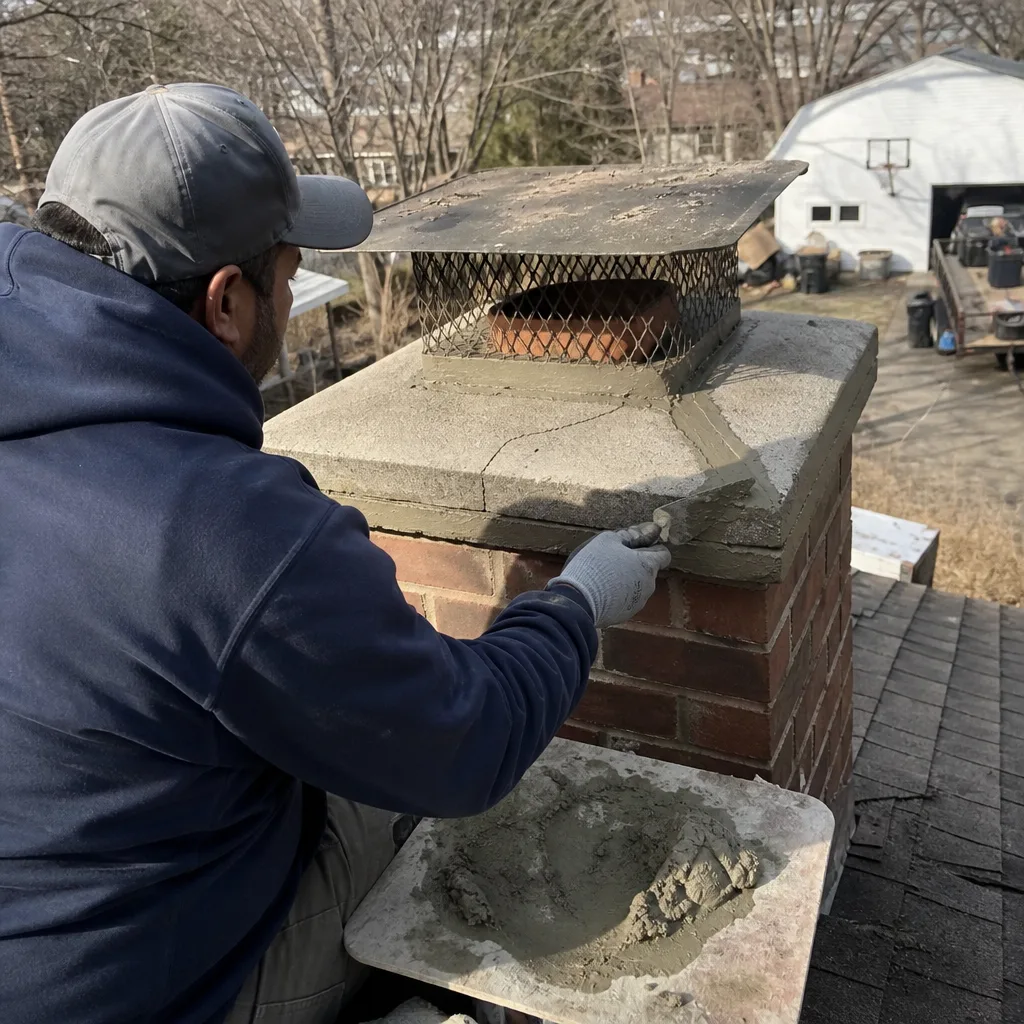
- Neglecting the crown and cap while focusing on the flue. Water entry through crown cracks causes more liner damage in Joliet than combustion byproducts. A $200 crown seal prevents $3,000 liner replacement. The camera inspection should include crown condition, and the report should prioritize water entry prevention.
When to Call a Professional
Call for inspection immediately if you notice any of these: visible smoke entering the room during operation, a strong smoky odor when the fireplace is not in use, white or brown staining on exterior masonry (indicating water intrusion or acid condensation), pieces of tile or brick in the firebox, or a damper that no longer seats properly. These are not maintenance items. They’re active failure indicators.
Schedule preventive inspection if your last documented Level 2 camera inspection is more than 12 months old, if you’ve changed appliances or fuel types, if you’re preparing to sell your home, or if you’ve purchased a home and don’t have a complete inspection record from the previous owner.
Level Two Chimney Joliet offers free estimates in Joliet - call (815) 620-5234. Every estimate includes a written scope and price before any work begins, backed by the 365-Day Done Right Promise. Live phone support runs 24 hours a day, 7 days a week, with background-checked, uniformed technicians and license information displayed on every page.
Frequently Asked Questions
A standard chimney sweep with NFPA 211 Level 2 camera inspection in Joliet typically costs between $189 and $329. Heavy creosote removal runs $329 to $450, and third-degree glazed creosote treatment cycles range from $450 to $700. We provide a written price before any work starts, with no open-ended charges. Call (815) 620-5234 for an exact quote - estimates are free.
Most single cracked tiles or joint gaps can be repaired with proper refractory materials or localized resurfacing using HeatShield cerfractory compound. Full liner replacement is only necessary when multiple tiles are cracked, spalling is extensive, or the liner has shifted out of alignment. We never recommend replacement without camera footage showing the specific damage and explaining why repair isn’t viable. Bring us any competitor’s written replacement quote for a Free Second Opinion with camera verification.
Wood-burning systems need annual inspection and cleaning after every cord of seasoned hardwood, typically once per year for Joliet households burning 2-3 cords. Gas systems need annual inspection with cleaning as needed. Even unused chimneys should be inspected every 2-3 years for water damage and structural deterioration, especially given Joliet’s 38 annual sub-freezing nights that accelerate freeze-thaw damage.
Skipped cleaning allows creosote accumulation that restricts flue diameter, reduces draft, and creates a highly combustible lining. Third-degree creosote ignites at approximately 451°F, temperatures easily reached in normal operation. The resulting chimney fire can crack liners, allowing flames and gases into wall cavities. Carbon monoxide infiltration through degraded liners poses a silent, lethal risk. In Joliet’s climate, skipped inspections also miss freeze-thaw damage that compounds year over year until repair costs multiply.
A sweep removes creosote and debris from the flue and firebox. An inspection evaluates structural condition, liner integrity, and code compliance. Most companies bundle them, but the quality of each varies dramatically. A proper service includes both: mechanical cleaning plus Level 2 camera documentation of everything the cleaning revealed. The Haven Standard requires both, with written documentation of each.
First and second-degree creosote removal with proper brushes is physically possible for a homeowner with roof access and appropriate safety equipment. However, without camera inspection, you cannot verify liner condition or confirm complete removal. Third-degree glazed creosote requires chemical treatment that demands professional application and controlled firing cycles. Given the carbon monoxide and fire risks of an undetected liner crack, we recommend professional service with documentation for any chimney serving a primary heating appliance. The cost of professional inspection is minor compared to the risks of undetected failure.
Verify they perform NFPA 211 Level 2 camera inspections as standard, provide written prices before work starts, and deliver documented photo records after completion. Check that technicians are background-checked and uniformed, with license information available. Be wary of $99 “sweep specials” that don’t specify inspection level, companies that resist written quotes, or anyone who finds “additional problems” only after starting work. Level Two Chimney Joliet has operated under these standards since 2009, with over 38,000 documented inspections.
The Bottom Line
Chimney cleaning in Joliet is not a single service. It’s three distinct disciplines: mechanical removal of combustible deposits, camera documentation of structural condition, and written reporting that lets you evaluate recommendations with evidence rather than trust. Conflating them is how chimneys get cleaned but not protected.
Joliet’s freeze-thaw climate, aging housing stock, and variable fuel quality make documentation essential. The camera footage from your Level 2 inspection is the baseline that proves whether next year’s findings are new or pre-existing. The written price before work starts is your protection against pressure tactics. The photo record on completion is your proof that work was thorough and your reference for future maintenance decisions.
We’ve inspected and cleaned more than 38,000 chimneys since 2009 under the Haven Standard, and the pattern is clear: homeowners who understand what they’re paying for make better decisions, avoid unnecessary repairs, and catch genuine problems before they become dangerous. The documentation is the service. Everything else is just brushing.
Written by Corrine Halstead, Owner at Level Two Chimney Joliet, serving Joliet since 2009.