
Last updated September 22, 2026
Level 1 sweep and inspection to the NFPA 211 annual standard - flue, crown, cap, and flashing checked and photographed
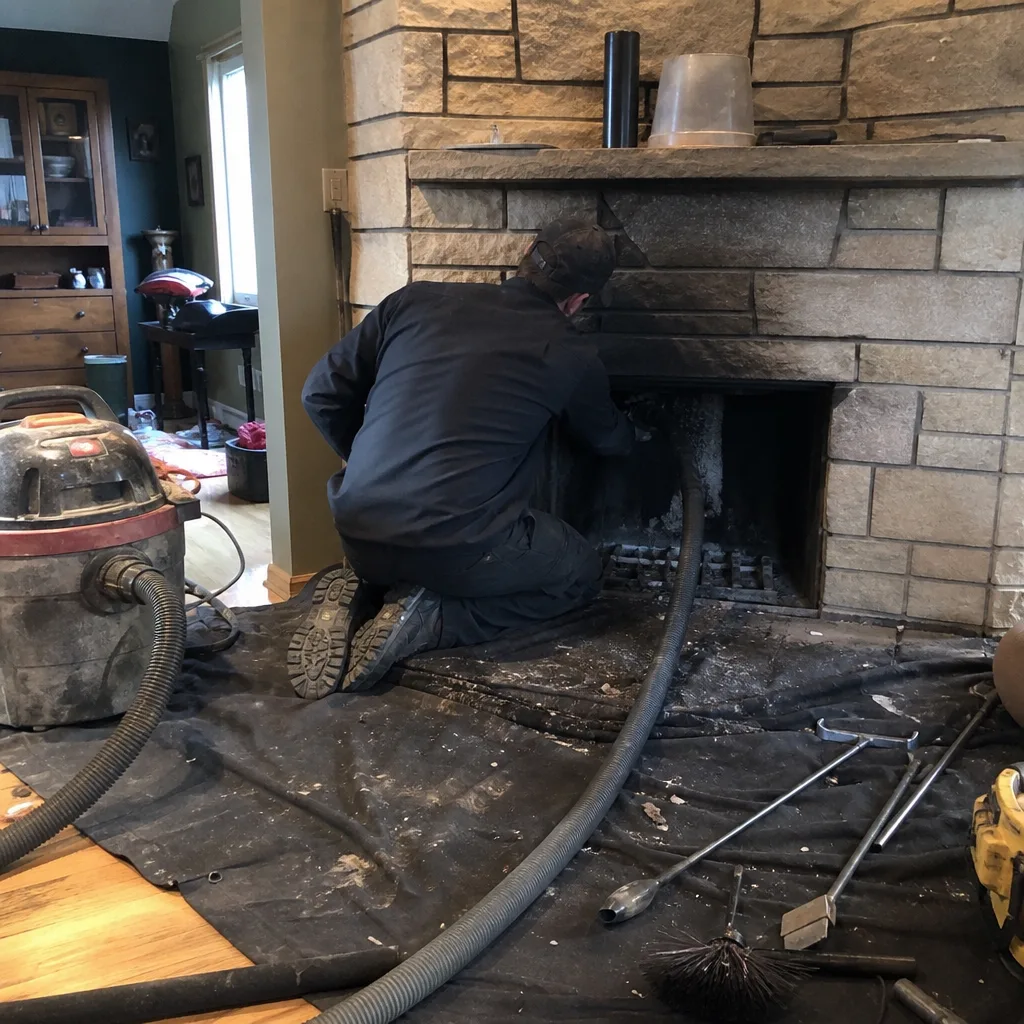
Chimney sweep logs do not sweep chimneys. They loosen some creosote - which then falls where a brush and vacuum still have to collect it.
 Before
 After
After Before
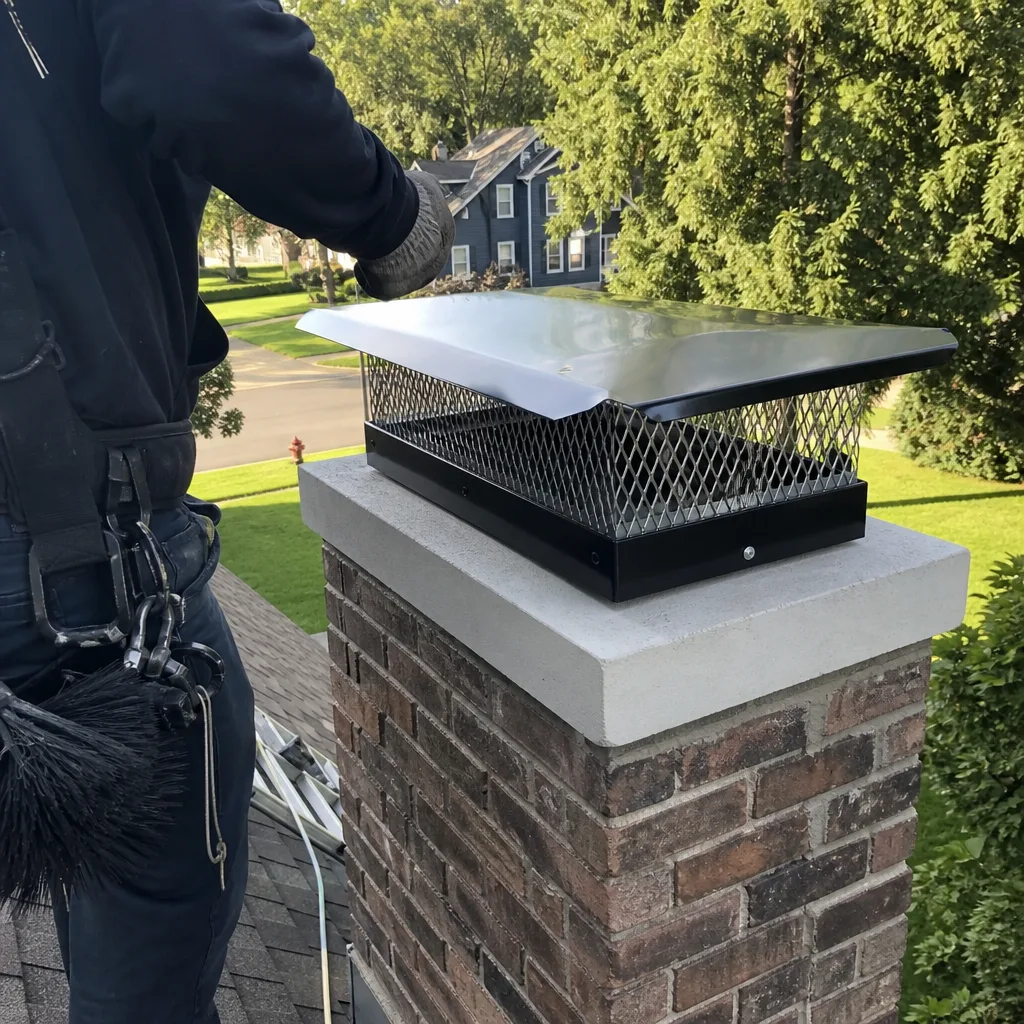 After
After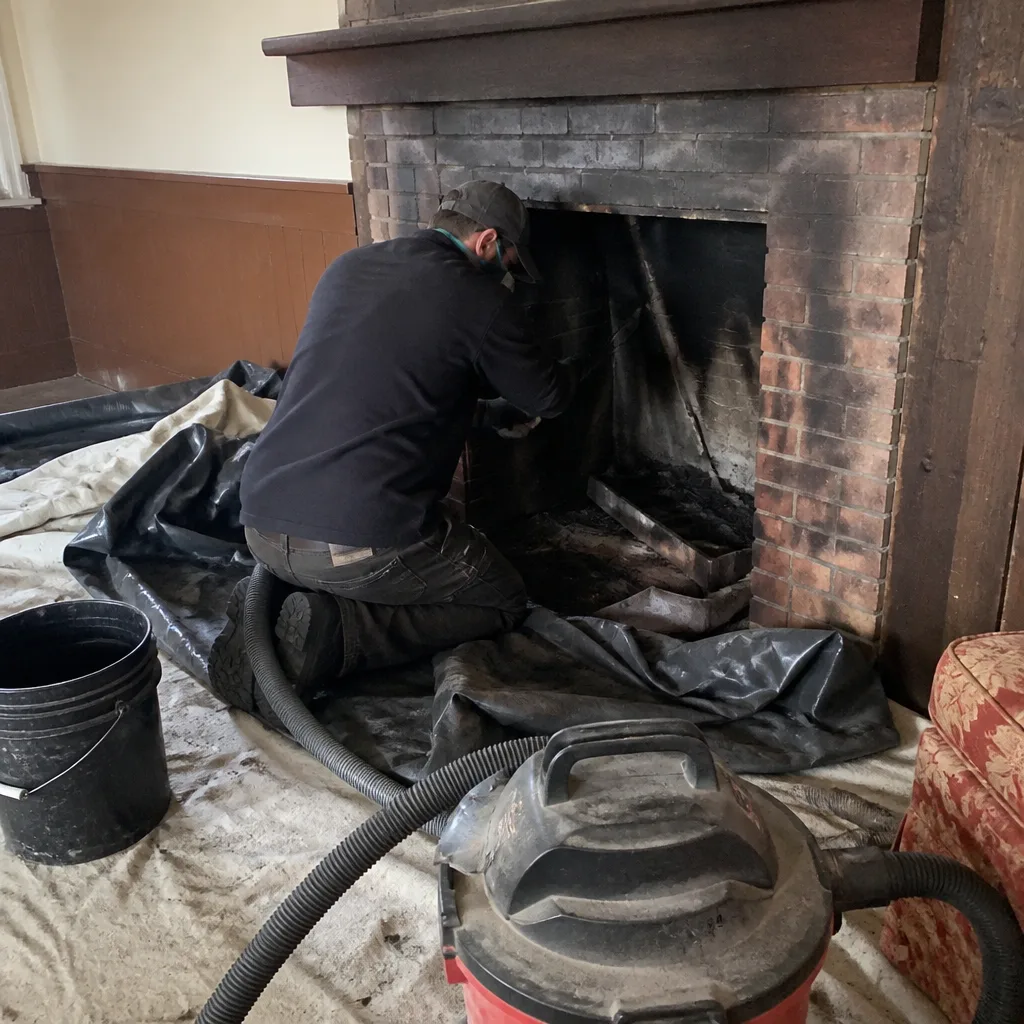 Before
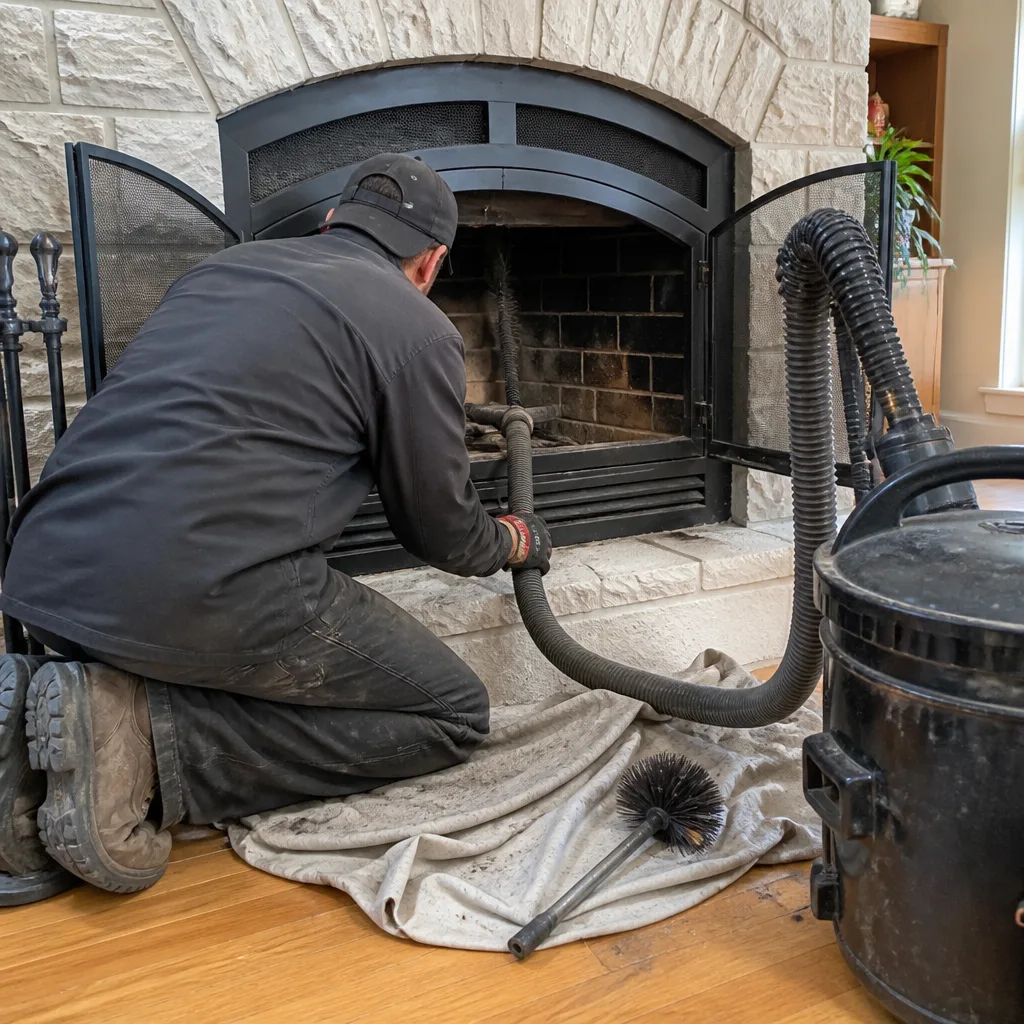 After
AfterSeasonal Chimney Cleaning Care for Joliet: Year-Round Homeowner’s Guide
Most Joliet homeowners schedule their chimney sweep in November, right before the first fire. By then, you’ve already been burning for weeks, and any liner damage from last winter’s freeze-thaw cycle has been collecting heat stress for months without anyone looking at it. In our experience inspecting over 38,000 chimneys since 2009, the homeowners who avoid emergency mid-winter repairs are the ones who treat late August through mid-September as their primary maintenance window, not the start of burning season. This guide maps Joliet’s real chimney calendar: two critical transition periods when inspection findings are most actionable, surrounded by long freeze and dormant phases that each carry their own risks.
Quick Answer
Joliet homeowners should schedule a professional chimney inspection and cleaning during the late August to mid-September window, before the first freeze and before the first fire, following a Chimney Cleaning & Sweep Maintenance Checklist for Joliet Homeowners. A second check-in should happen in early spring, after the last burn, to assess winter damage and schedule repairs during contractor availability. Between these two windows, monitor for water intrusion in summer and burning behavior in winter, but resist the urge to treat all four seasons as equal maintenance priorities.
Table of Contents
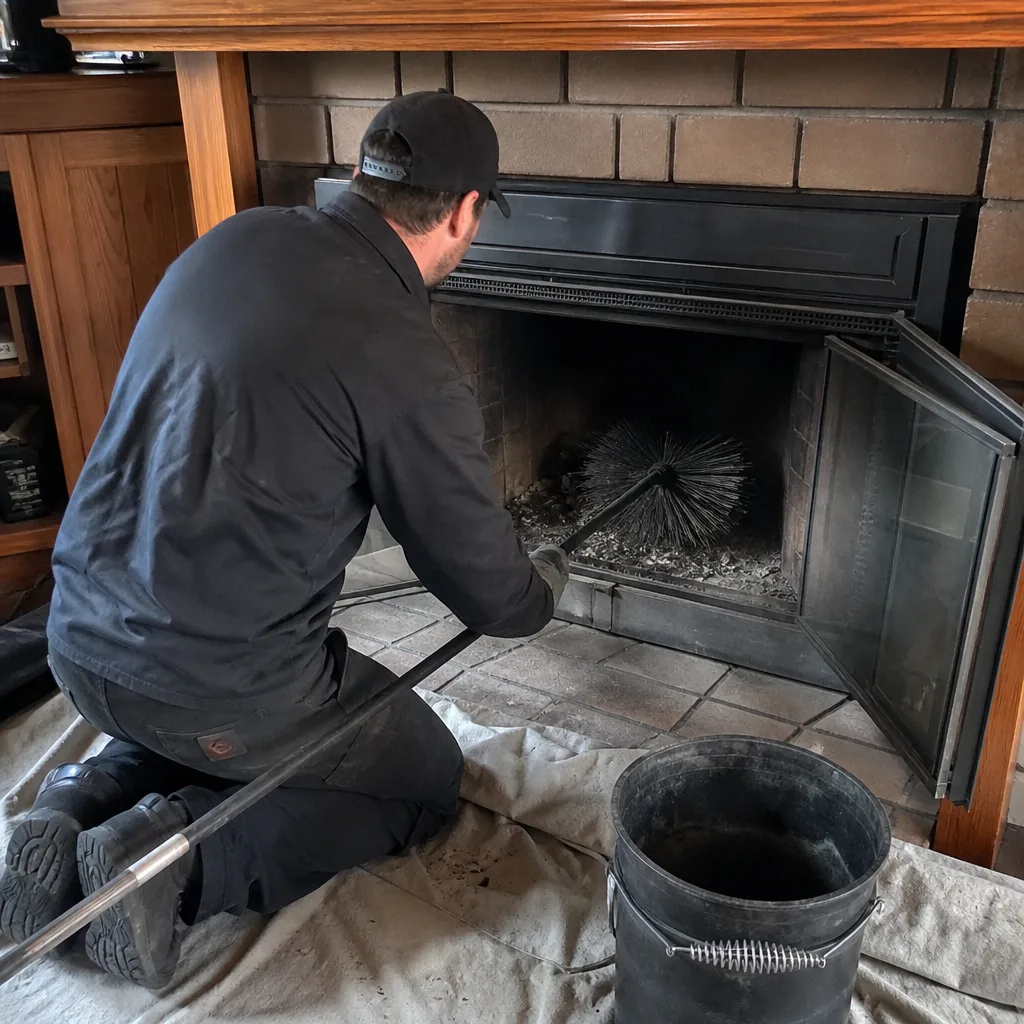
- Why November Scheduling Fails Most Joliet Homeowners
- The August-September Window: Your Primary Inspection Period
- What Joliet’s Freeze-Thaw Cycles Do to Your Chimney
- Winter Burning: What to Watch Between Fires
- Spring Tasks After the Last Fire
- Summer Dormancy: Moisture Intrusion and Cap Checks
- Building a Two-Year Documentation Record
- Common Mistakes to Avoid
- When to Call a Professional
- Frequently Asked Questions
 Before
 After
AfterWhy November Scheduling Fails Most Joliet Homeowners
The November sweep is a tradition. It feels responsible. The weather turns, you smell smoke from a neighbor’s chimney, and you call for a cleaning. The problem is timing, not intent.
By November, most Joliet households have already burned several fires. Any creosote from early burns is now baked onto the flue liner. More critically, any crack or gap in the liner that opened during last winter’s freeze cycle has been subjected to new heat stress without assessment. We’ve pulled liners in Joliet’s Cathedral Area and East Side neighborhoods where a hairline crack from February became a through-wall fracture by December, simply because no one looked at it before firing the system again.
The November rush also compresses contractor schedules. In Will County, sweep companies field their highest call volume in the three weeks before Thanksgiving. That density means rushed inspections, limited appointment slots, and a higher likelihood that recommended repairs get deferred to “after the holidays” - which often means never, or until an emergency shuts down the system.
The alternative isn’t skipping November maintenance entirely. It’s making November a confirmation check, not the primary event. The heavy lifting - camera inspection, liner assessment, creosote removal, and repair scheduling - should already be complete.
The August-September Window: Your Primary Inspection Period
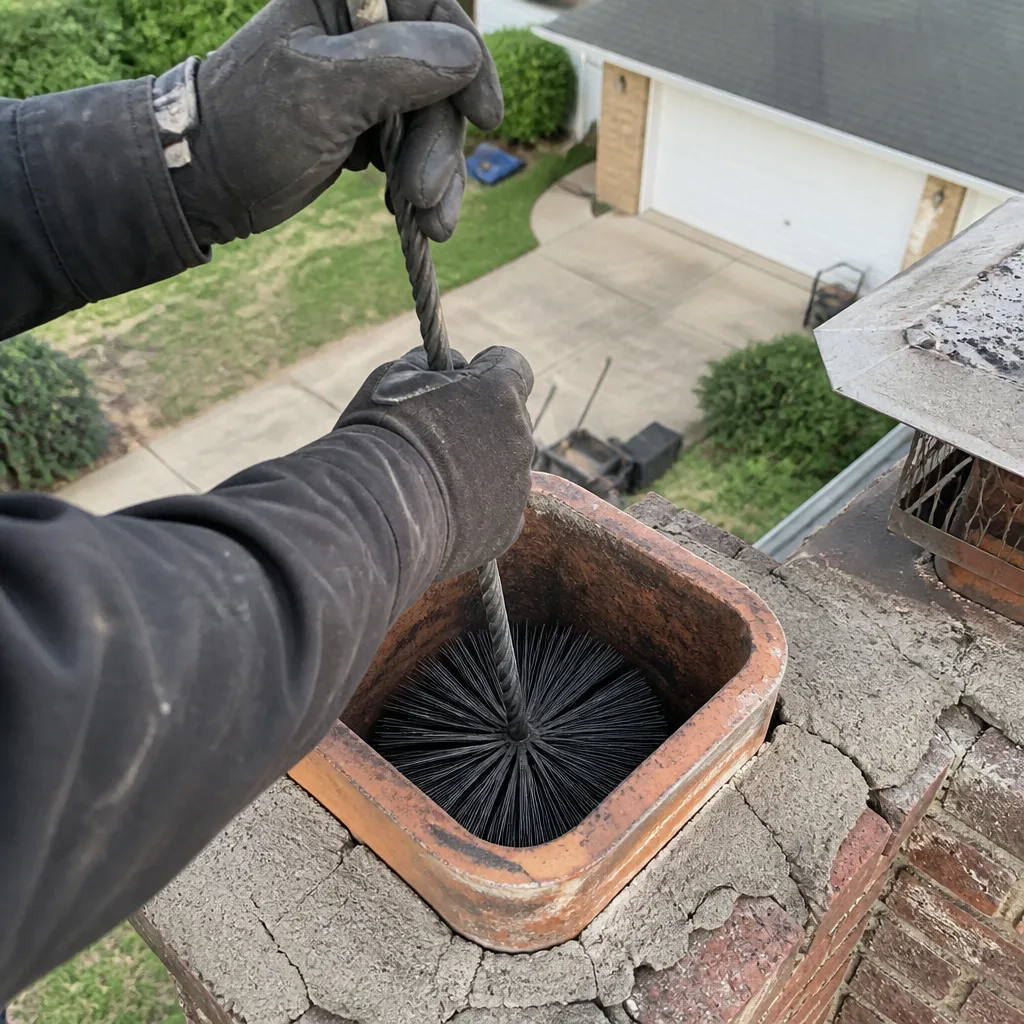
Late summer is the optimal inspection timing for Joliet, and it’s not close. Here’s why this window outperforms every other season:
- Liner cracks from winter are fully visible. Freeze-thaw damage that propagated through spring has finished its cycle. The flue liner is at its most expanded, natural state, not contracted from cold or stressed from recent heat.
- No new heat stress has begun. The system is cool, clean, and undisturbed. Camera footage captures baseline condition without the masking effect of fresh soot or thermal expansion.
- Contractor availability peaks. Sweep companies in Joliet and surrounding Will County typically have their widest scheduling windows in late August and early September. Repairs booked in this window are often completed before October, well ahead of first freeze.
- Material procurement is reliable. Custom caps, liner sections from DuraFlex or Olympia Chimney, and specialty refractory materials ordered in September arrive before weather complicates installation.
- Insurance documentation is current. A September inspection with photo record satisfies most homeowner policy requirements for the upcoming heating season, with a full year of validity.
In Joliet’s older neighborhoods - the Near West Side, the area around Pilcher Park, and sections of Rockdale - we regularly see masonry chimneys with clay tile liners installed in the 1960s and 1970s. These systems don’t fail suddenly. They degrade through predictable patterns: first mortar joint erosion between tiles, then corner spalling on individual tiles, then longitudinal cracks following the flue’s vertical axis. The August-September window is when these stages are most distinguishable, before winter thermal cycling obscures the progression.
Our Chimney Cleaning & Sweep in Joliet service includes NFPA 211 Level 2 inspection with camera scan and documented photo record as standard - not as an add-on. Clause 4 of the Haven Standard requires this documentation on every job, a practice we’ve maintained since 2009.
What Joliet’s Freeze-Thaw Cycles Do to Your Chimney
Will County experiences approximately 85 freeze-thaw cycles annually, comparable to the O’Hare measurement station data. Each cycle is a mechanical stress event for chimney masonry and clay tile liners.
Here’s the mechanism: moisture enters micro-cracks in mortar, tile, or crown sealant during above-freezing periods. When temperatures drop below 32°F, that water expands by about 9% in volume. The expansion forces the crack wider. The next thaw allows more water deeper into the structure. Repeat 85 times per year.
For clay tile liners, the damage pattern is specific and trackable:
- Years 1-5: Minimal visible change. Mortar joints may show slight erosion. Camera inspection reveals smooth tile surfaces with intact glaze.
- Years 6-10: Corner spalling begins - small flakes breaking from tile edges. Mortar joints show measurable recession. First hairline cracks may appear, typically vertical and following stress concentrations.
- Years 11-15: Cracks propagate through tile walls. Spalling accelerates, exposing porous clay body beneath the glazed surface. Mortar loss allows tile movement and misalignment.
- Years 16+: Through-wall fractures, tile displacement, and potential liner section collapse. At this stage, repair options narrow to relining or reconstruction.
This timeline assumes average Joliet exposure - no direct water intrusion, reasonable cap maintenance, and normal burning patterns. A missing cap, poor crown condition, or habitual low-temperature burning (which produces more acidic moisture in the flue) can compress a 15-year timeline to 8-10 years.
The critical point: freeze-thaw damage is cumulative and irreversible. You cannot “un-crack” a tile. But you can document the rate of change and intervene before the next winter accelerates deterioration. That’s why the August-September inspection matters. It captures the post-winter state before new cycles begin.
When liner replacement becomes necessary, we specify materials from DuraFlex or HeatShield based on flue configuration and appliance type, sourced through Haven’s buying network to maintain honest pricing under Clause 1 of the Haven Standard.
Winter Burning: What to Watch Between Fires
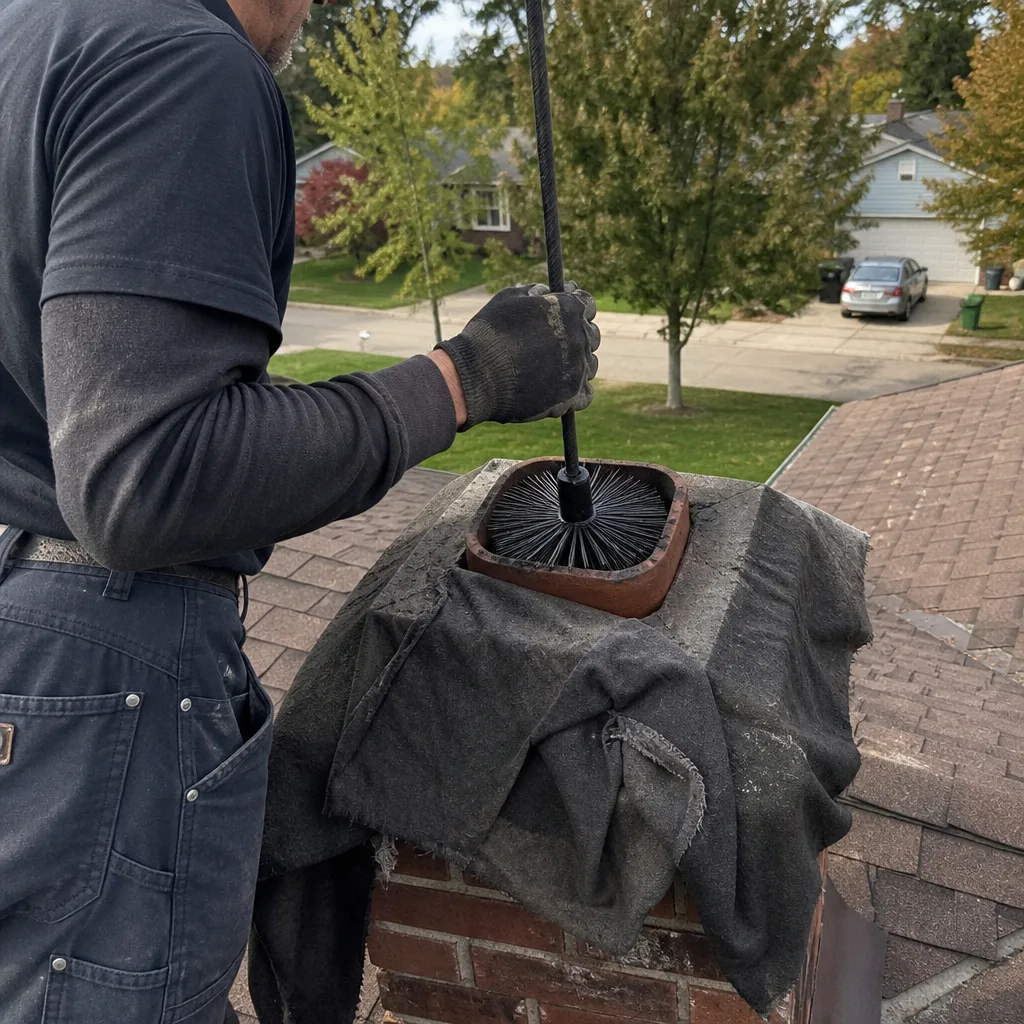
Once the system is active, your role shifts from prevention to monitoring. The chimney is now in its highest-stress operational period. What you observe between fires can prevent what we call “February surprises” - the emergency calls that come during the coldest weeks, when contractor availability is lowest and temporary heat costs are highest.
Weekly Observations
- Draft behavior on startup. A healthy flue establishes upward draft within 30-60 seconds of opening the damper and lighting kindling. If smoke lingers in the firebox or enters the room, draft is compromised. Causes range from cold flue syndrome (solvable) to partial blockage or liner damage (requires professional assessment).
- Burn pattern on logs. Incomplete combustion - blackened log ends, excessive smoke, or a fire that “struggles” despite dry wood - indicates insufficient oxygen supply or flue restriction. Both accelerate creosote formation.
- Odor between fires. A sharp, acrid smell when the system is cold suggests creosote buildup or animal intrusion. A musty odor indicates moisture entry, which is especially dangerous in winter when freeze-thaw is active.
Monthly Checks (Homeowner-Feasible)
- Visually inspect the firebox for new cracks in refractory panels or mortar. Small hairlines in panels are normal; through-cracks or separated sections require replacement before next burn.
- Check damper operation. It should open fully, seat flat when closed, and show no visible warping or corrosion.
- Look up the flue from the firebox with a flashlight. Heavy, flaky black deposits (Class III creosote, or “glaze”) indicate professional cleaning is needed. Light, sooty powder (Class I) is normal for a season’s burning.
Do not attempt to clean the flue yourself. The tools - rotary whips, polypropylene brushes, industrial vacuums with HEPA filtration - require training to use without damaging liner surfaces or dispersing combustible soot into the home. More critically, the camera inspection that follows cleaning is where damage is found. Cleaning without inspection is maintenance theater.
Our Fireplace Services in Joliet include mid-season assessments for households with heavy use patterns or older systems.
Spring Tasks After the Last Fire
The early spring window - March through mid-April in Joliet - is your second critical transition period. The last fire is out, the system is cooling, and contractor schedules are opening after the winter rush. This is when you assess what winter did and schedule non-urgent repairs before the August-September window.
Professional Spring Assessment
A post-season inspection differs from pre-season in focus. The camera scan now captures the liner’s condition after thermal cycling, not before. We’re looking for:
- Crack propagation - comparing to August footage to measure change
- Creosote volume and class - determining if burning habits need adjustment
- Crown and cap integrity after ice and wind exposure
- Smoke chamber and damper condition, accessed from the firebox
The smoke chamber is the area above the damper and below the flue tile. It’s often constructed with corbeled brick (stepped inward) and is a common site for creosote accumulation and hidden deterioration. NFPA 211 requires smoke chamber inspection as part of Level 2 assessment, but many competitors skip it because access is awkward and documentation is difficult. We include it on every inspection, with photo record, under Haven Standard Clause 4.
Homeowner Spring Observations
Some checks don’t require professional tools:
- Cap condition from ground level. Binoculars are sufficient. Look for mesh separation from the cap frame, rust streaks on the chimney exterior, or missing mesh sections. These are entry points for water and animals.
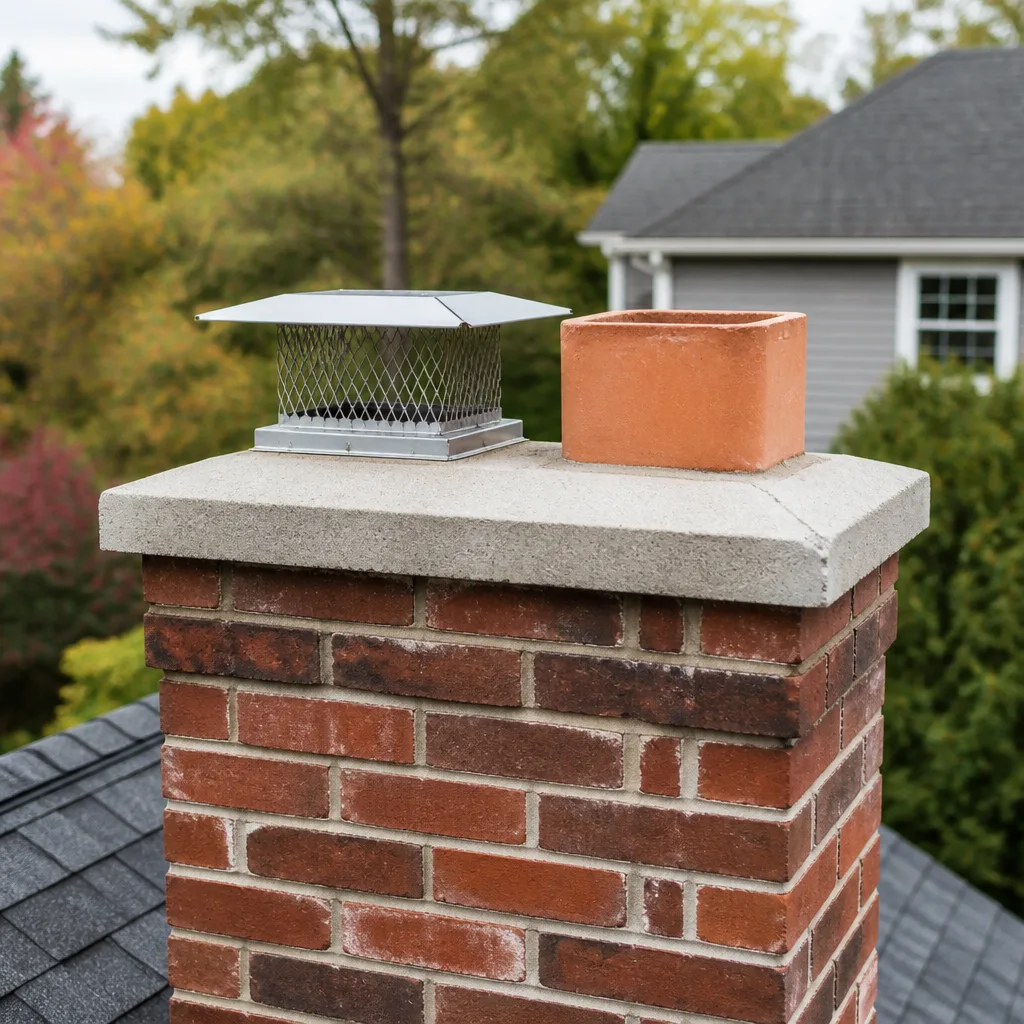
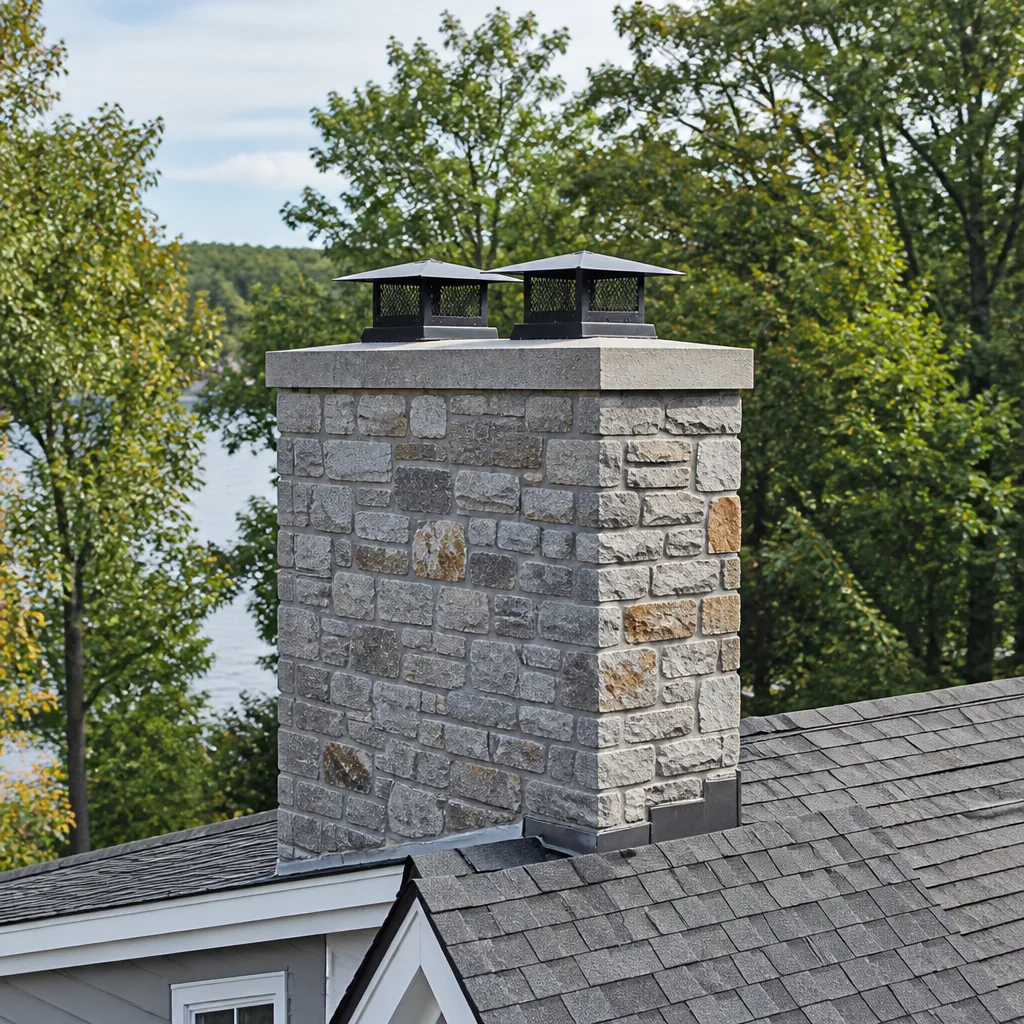
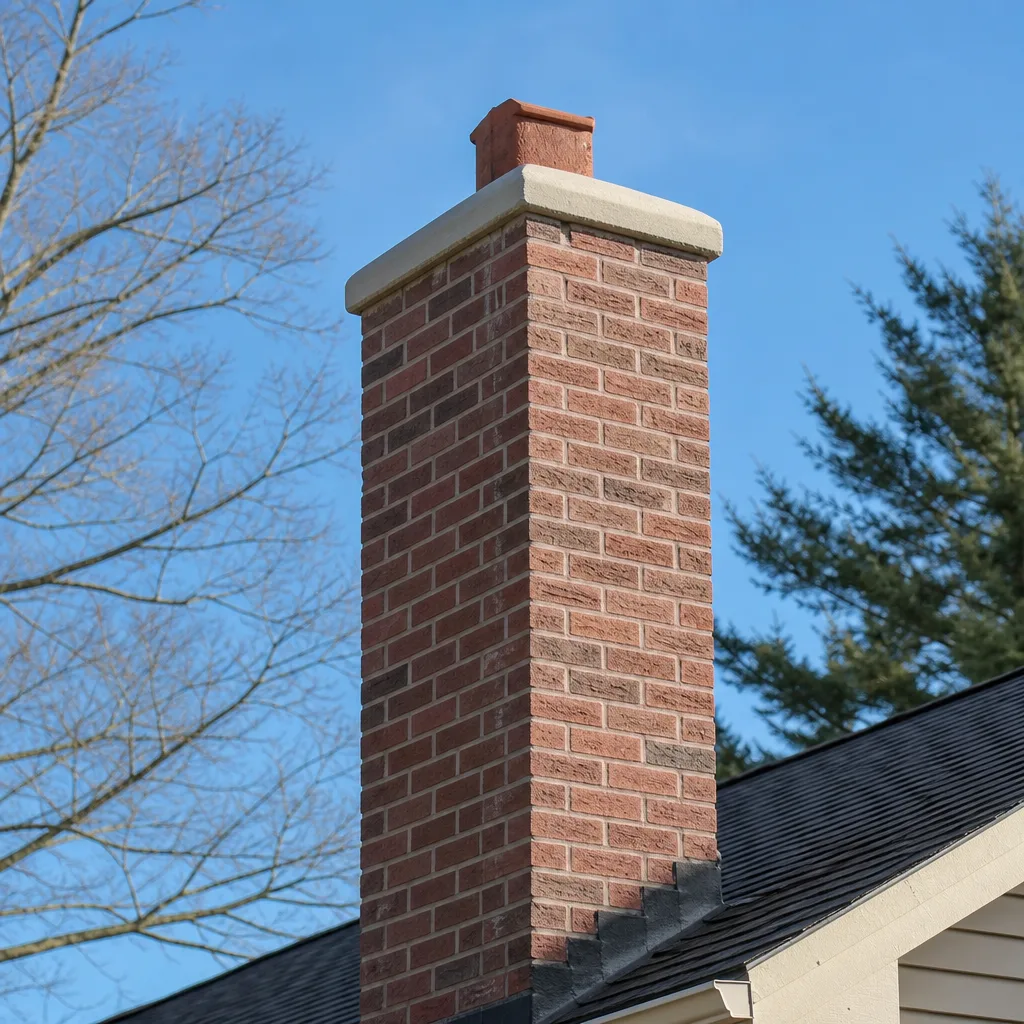
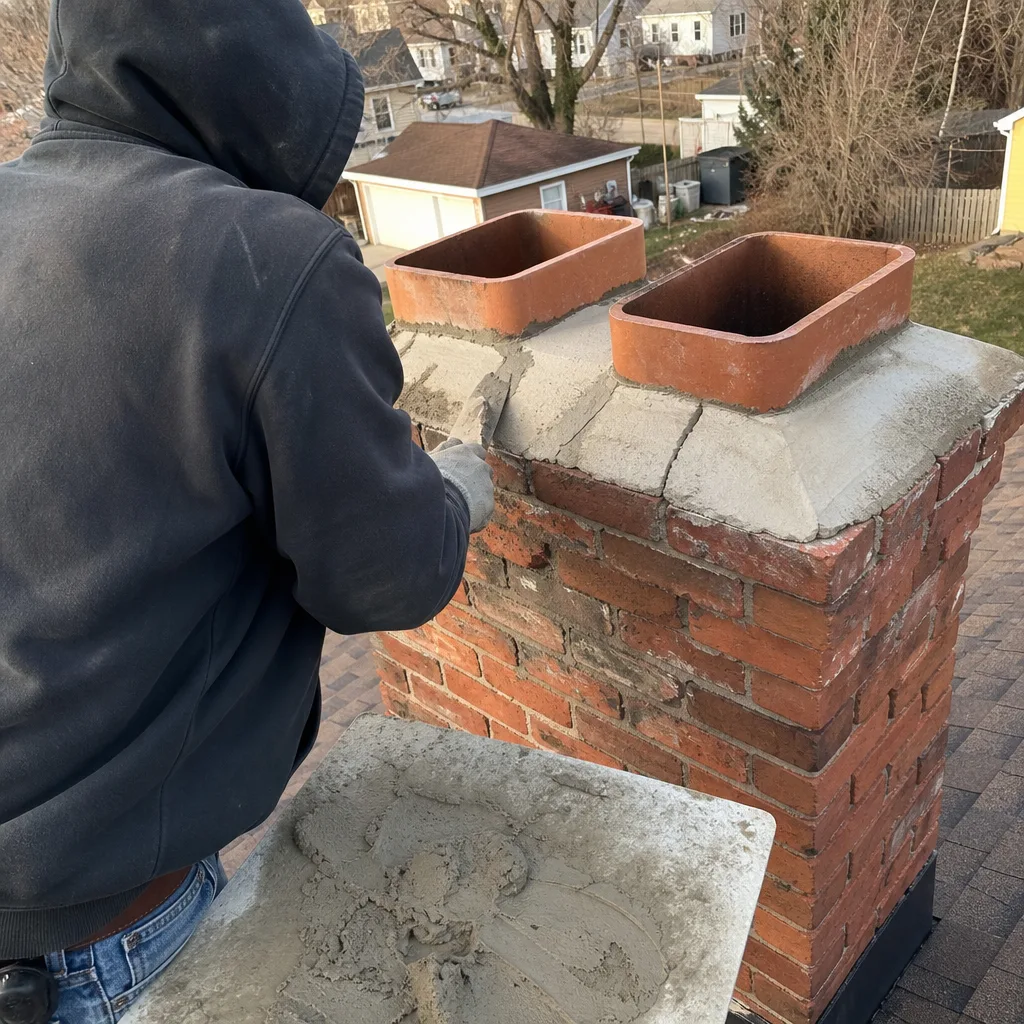
- Crown visual check. The concrete slab topping the chimney should show no cracks wider than a credit card edge, no pooling areas, and no spalling (surface flaking). Minor crown cracks can be sealed; major degradation requires reconstruction.
- Exterior masonry survey. Walk the perimeter. White efflorescence (salt deposits) indicates water movement through brick. Spalling brick faces, especially on the south and west exposures that take the most weather, signal freeze-thaw damage. Mortar joint recession deeper than half an inch needs repointing.
Spring repair scheduling in Joliet typically offers 2-3 week faster turnaround than fall booking. For masonry work, crown repair, or cap replacement, this timing also ensures materials cure properly in moderate temperatures before summer heat or fall freeze.
Our Chimney Repair in Joliet service provides written scope and price before any work begins, with photo documentation on completion.
Summer Dormancy: Moisture Intrusion and Cap Checks
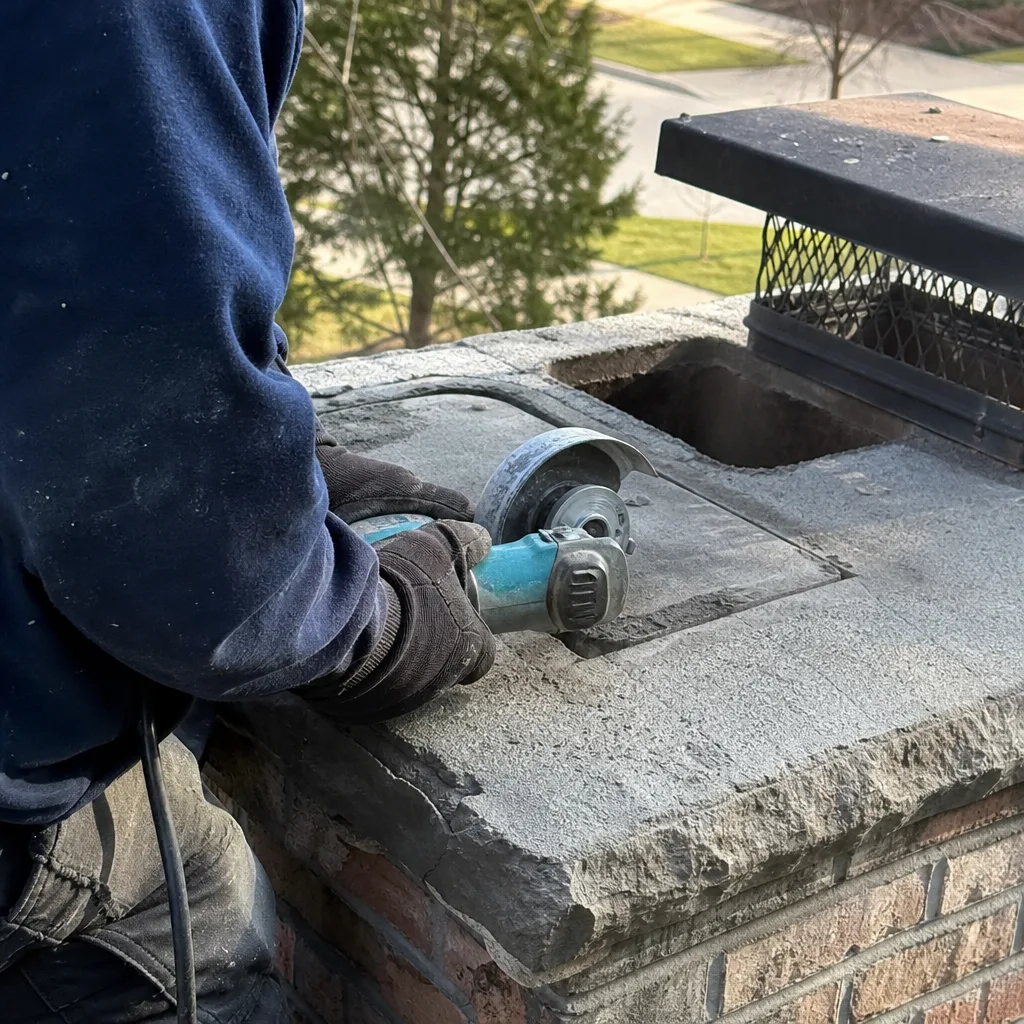
The chimney sits unused for months. This is not a neutral period. Summer dormancy carries specific risks that the proactive homeowner addresses with minimal effort.
The Moisture Problem
Warm, humid air enters the flue from the top or through leaks in the envelope. Inside the dark, relatively cool flue, this air condenses on liner surfaces. The resulting moisture activates salts in masonry, accelerates metal component corrosion, and supports microbial growth that produces the musty odors many homeowners notice on first fall startup.
In Joliet’s river-influenced climate, summer humidity regularly exceeds 70% for extended periods. The Des Plaines River valley and areas near Hickory Creek create localized microclimates with even higher moisture exposure. Chimneys in these areas - including sections of the Near West Side and neighborhoods south of I-80 - show accelerated mortar deterioration compared to drier inland locations.
The One Low-Cost Cap Check
Before summer begins, verify your chimney cap’s three functions:
- Spark arrestment: Mesh size should be 5/8-inch or 3/4-inch. Larger mesh allows ember escape; smaller mesh clogs with creosote and restricts draft.
- Water deflection: The cap lid should overhang the flue tile by at least 2 inches on all sides, with a drip edge that directs water away from the chimney face.
- Animal exclusion: Mesh should be intact, with no gaps at frame corners or where mesh meets the flue tile. Squirrels, raccoons, and starlings are active chimney intruders in Joliet’s residential areas.
A cap that fails any of these functions should be replaced before summer, not deferred to fall. The cost of cap replacement is typically $200-$450 installed, depending on flue count and cap specifications. The cost of moisture damage repair - liner replacement, smoke chamber parging, exterior masonry rebuild - starts at ten times that figure.
We source caps from Famco and Copperfield through Haven’s buying network, with specifications matched to flue size and local wind exposure.
Summer Documentation
If you performed spring inspection, summer is when you file and review your documentation. Compare this year’s photo record to last year’s. Note any changes in crack length, creosote accumulation rate, or component condition. This comparison is the foundation of the two-year record discussed below.
Building a Two-Year Documentation Record
The “monitor vs. repair now” decision is the most consequential choice in chimney maintenance. It determines whether you spend $2,500 on preventive relining or $8,000+ on emergency reconstruction after liner collapse. That decision is only defensible with longitudinal data.
What the Record Contains
A useful documentation record includes:
- Date-stamped photo record from NFPA 211 Level 2 camera inspection, showing full flue length, smoke chamber, firebox, damper, crown, and exterior
- Written condition assessment with specific measurements: crack lengths, mortar joint recession depths, creosote thickness readings, flue liner interior dimensions
- Written scope and price for any recommended work, whether accepted or deferred
- Comparison narrative noting changes from prior inspection
- Technician name and license information for accountability
Clause 4 of the Haven Standard requires this documentation on every job. We’ve delivered it on all 38,000+ inspections since 2009. The archive is searchable by address and date, so Joliet homeowners who’ve used our service have this record automatically.
How to Use the Record
After two consecutive annual inspections, you have trend data. Here’s how to read it:
- No change: Crack lengths stable, mortar recession unchanged, creosote accumulation consistent with burning habits. Continue annual monitoring.
- Slow progression: Crack lengthening under 10% annually, minor mortar loss, slight creosote increase. Schedule repair within 12-18 months before acceleration.
- Accelerated change: Crack propagation exceeding 15% annually, new crack formations, significant creosote increase despite unchanged habits, or any through-wall fracture. Repair now; deferral risks emergency failure.
The two-year record also protects you in real estate transactions. Joliet’s housing market includes significant turnover in the 2015-2025 construction cohort. A documented inspection history with photo evidence increases buyer confidence and can prevent last-minute repair demands that derail closing.
For homeowners building this record independently, request that any sweep company provide the full photo set, not selected “representative” images. If they won’t, that’s information about their inspection depth.
Common Mistakes to Avoid
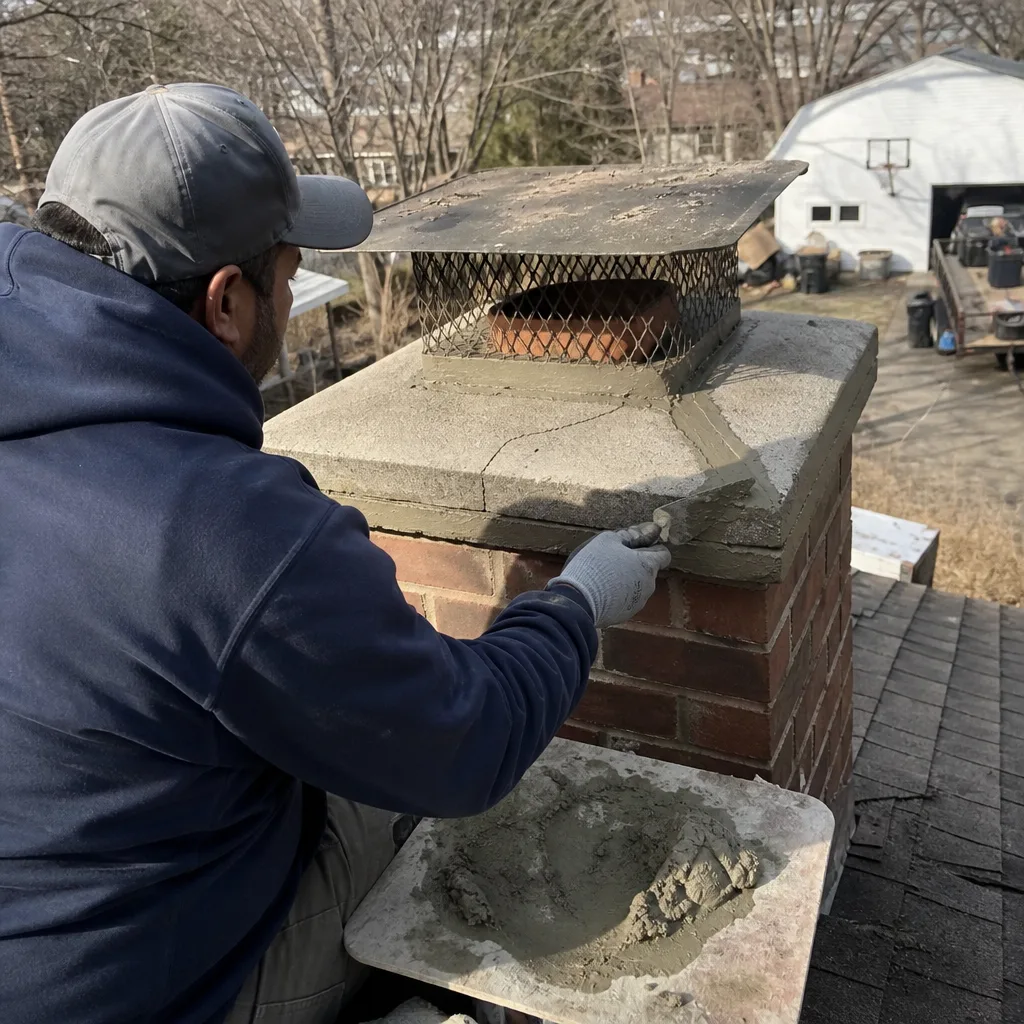
- Treating all four seasons equally. Joliet’s chimney calendar has two critical windows and two monitoring periods. Spreading maintenance effort evenly across quarters means under-investing when it matters and over-monitoring when it doesn’t.
- Scheduling the primary inspection in November. By then, you’re already burning, contractor availability is compressed, and any damage has accumulated new stress. November should be a confirmation, not a discovery.
- Ignoring summer moisture. The cap check that prevents $5,000 in moisture damage takes 10 minutes with binoculars. Deferring it because “the chimney isn’t in use” misunderstands how damage accumulates.
- Accepting flashlight inspections. A flashlight look from the firebox or roof top misses 90% of liner damage. NFPA 211 Level 2 requires camera scan. Anything less is incomplete.
- Deferring spring repairs to fall. The repair you schedule in April is completed in May. The repair you schedule in October competes with every other homeowner’s urgency, with weather shortening the available work window.
- Not requesting prior documentation on home purchase. Joliet’s older housing stock often includes chimneys with undocumented repair history. A new homeowner burning without knowing the liner’s condition is taking an unmanaged risk.
- DIY flue cleaning without inspection. Removing visible soot from the firebox is fine. Attempting flue cleaning without the camera assessment that follows is maintenance without diagnosis - it addresses appearance, not safety.
When to Call a Professional
Call for immediate assessment if you observe smoke entering the room on startup, a strong fuel odor when the system is cold, visible debris falling into the firebox, or any animal sounds from the flue. These indicate active hazards - draft failure, gas leak, obstruction, or nesting - that require professional tools and should not wait for seasonal scheduling.
For non-urgent needs, the two-window approach applies: late August through mid-September for pre-season inspection and cleaning, early spring for post-season assessment and repair scheduling. Between these windows, monitor and document, but don’t force maintenance that isn’t indicated; explore our more guides & resources for year-round chimney care.
Level Two Chimney Joliet offers free estimates in Joliet - call (815) 620-5234. Every estimate includes written scope, written price, and written warranty before any work begins, under Haven Standard Clause 1. We also provide free second opinions on any competitor’s written estimate. Live phone support is available 24 hours a day, 7 days a week.
Frequently Asked Questions
A professional chimney sweep with NFPA 211 Level 2 camera inspection in Joliet typically ranges from $250 to $450, depending on flue count, system accessibility, and creosote accumulation level - see our Chimney Cleaning Cost Breakdown: The Joliet Homeowner’s Reference for 2026 for full details. This should include the photo record and written condition assessment, not just soot removal. Call (815) 620-5234 for an exact quote - estimates are free.
The National Fire Protection Association recommends annual inspection for all chimneys, with cleaning frequency determined by creosote accumulation, not calendar time. In Joliet’s climate, most wood-burning systems need annual cleaning; gas systems may extend to every 2-3 years if inspection shows minimal debris. The key is camera-documented assessment, not assumption.
This decision requires longitudinal documentation comparing current condition to prior state. A single inspection shows what exists; two or more show what’s changing. We recommend repair when crack propagation exceeds 15% annually, any through-wall fracture appears, or tile displacement threatens flue blockage. Nothing is recommended without camera evidence you can see yourself, and we’ll plainly state when work can safely wait.
Skipped maintenance allows creosote accumulation that increases chimney fire risk, permits liner degradation that can expose combustible framing to heat, and enables moisture intrusion that destroys masonry from within. In Joliet’s freeze-thaw climate, deferred maintenance typically converts $2,500 preventive repairs into $8,000-$15,000 emergency reconstruction within 3-5 years.
Homeowner observation from the firebox and ground level is valuable for monitoring between professional visits. But NFPA 211 Level 2 inspection requires camera scan of the full flue length, smoke chamber access, and roof-level assessment of crown and cap - all beyond homeowner tools and safety limits. Use your observations to inform timing; use professional inspection for diagnosis.
A sweep removes combustible deposits from the flue and firebox. An inspection evaluates system condition, including liner integrity, component function, and clearance compliance. The sweep is maintenance; the inspection is diagnosis. They are distinct services, though many providers bundle them. Level Two Chimney Joliet includes both, with photo documentation, on every visit - we don’t perform cleaning without inspection.
The Bottom Line
Joliet’s chimney maintenance calendar has two critical windows: late August through mid-September, when pre-season inspection captures damage before new stress begins, and early spring, when post-season assessment schedules repair during availability. Between these windows, monitor burning behavior in winter and moisture intrusion in summer. Treating all seasons equally misses the moments when action is most effective and most economical. Build a two-year documentation record with camera evidence, and make repair decisions based on rate of change, not single-point observation. The homeowners who avoid emergency repairs are the ones who front-load their effort into the windows when contractors have time to do the work right.
Written by Corrine Halstead, Owner at Level Two Chimney Joliet, serving Joliet since 2009.